+91 44 66 300 300


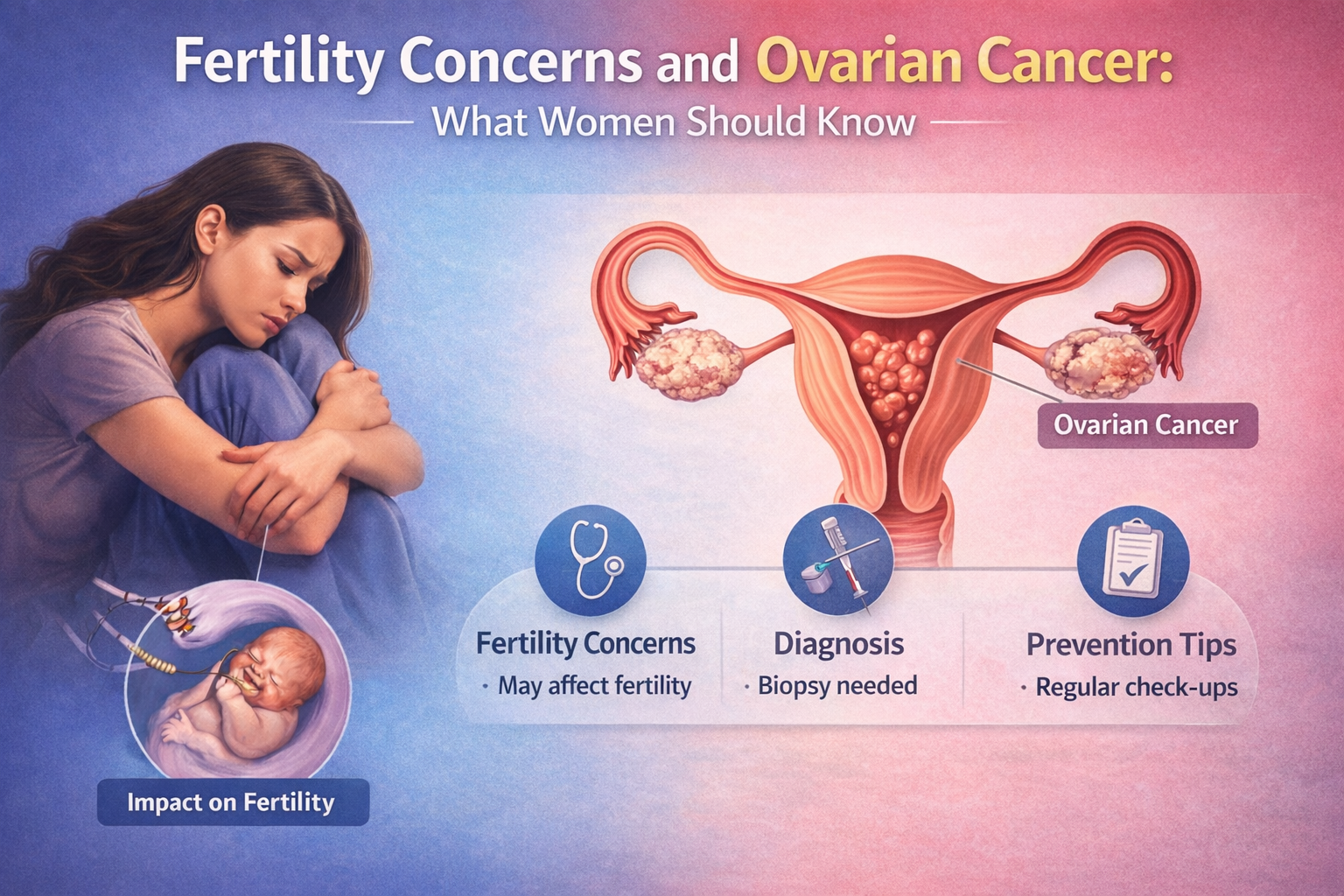
This blog explores how ovarian cancer can impact fertility, available preservation options, and emotional considerations, empowering women to plan their care while keeping future family goals in mind.
A diagnosis of ovarian cancer can be overwhelming, especially for women who hope to have children in the future. Along with concerns about treatment and recovery, questions about fertility often arise early in the journey. Ovarian cancer and its treatments may affect reproductive health in diverse ways, depending on age, cancer stage, and the type of treatment used. Understanding these effects helps women make informed decisions before starting therapy. This blog explores how ovarian cancer can impact fertility, available preservation options, and emotional considerations, empowering women to plan their care while keeping future family goals in mind.
How Ovarian Cancer and Its Treatment Affect Fertility
Ovarian cancer can affect fertility even before treatment begins. The ovaries play a significant role in releasing eggs and producing hormones like estrogen and progesterone. When cancer develops in one or both ovaries, it may damage healthy ovarian tissue or interfere with normal ovulation. In some cases, hormonal imbalance caused by the disease can disrupt menstrual cycles, making it harder to conceive naturally.
Treatment for ovarian cancer often has a greater impact on fertility. Surgery may involve removing one ovary, both ovaries, or the uterus, depending on the cancer’s stage and spread. Removing both ovaries leads to immediate infertility and early menopause. Chemotherapy, while effective in killing cancer cells, can also harm healthy eggs, reducing ovarian reserve or causing temporary or permanent loss of fertility.
The extent of fertility impact varies from woman to woman. Age, cancer stage, treatment type, and overall health all play important roles. Younger women may recover ovarian function after treatment, while others may experience long-term effects. Understanding these possibilities early allows women to explore fertility preservation options and discuss future family planning with their healthcare team before starting treatment.
Fertility Preservation Options Before Ovarian Cancer Treatment
Before starting ovarian cancer treatment, fertility preservation should be discussed as early as possible. Cancer therapies such as surgery and chemotherapy can reduce or completely eliminate the ability to conceive. Planning ahead allows women to consider options that may help protect their chances of having biological children in the future. A fertility specialist usually works alongside the oncology team to guide these decisions safely and quickly.
One common option is egg or embryo freezing. Eggs are collected from the ovaries and frozen for future use, while embryo freezing involves fertilizing the eggs before freezing. In some early-stage cases, fertility-sparing surgery may be possible, where only one ovary is removed and the uterus is preserved, allowing the possibility of future pregnancy.
Other options include ovarian tissue freezing, where ovarian tissue is removed and stored before treatment. This tissue may later be reimplanted to restore hormone function and fertility. Choosing the right option depends on age, cancer stage, time available, and personal preferences.
Can Women Get Pregnant After Ovarian Cancer Treatment?
Yes, some women can get pregnant after ovarian cancer treatment, but the possibility depends on several crucial factors. These include the woman’s age, the stage and type of ovarian cancer, and the treatments received. Women treated for early-stage cancer, especially those who undergo fertility-sparing surgery, may still have one functioning ovary and a healthy uterus, making natural pregnancy possible.
The type of treatment plays a key role in post-treatment fertility. If one ovary is preserved and chemotherapy does not severely damage ovarian function, menstrual cycles may return over time. In such cases, women may conceive naturally or with medical assistance. However, if both ovaries or the uterus is removed, natural pregnancy is not possible, though options like using frozen eggs, embryos, or a surrogate may still exist.
Recovery and fertility outcomes vary from person to person. Some women regain ovarian function months or even years after treatment, while others may experience early menopause. Regular follow-up with both an oncologist and fertility specialist is essential. With proper planning, medical support, and realistic expectations, many women can still explore motherhood after ovarian cancer treatment.
Impact of Surgery on Reproductive Health and Hormones
Surgery for ovarian cancer can significantly affect reproductive health, as it may involve removing one ovary, both ovaries, or the uterus. When one ovary is removed, the remaining ovary may continue to release eggs and produce hormones, allowing menstrual cycles and fertility to continue. However, removal of both ovaries leads to permanent infertility.
The ovaries also play a vital role in hormone production. Removing both ovaries causes a sudden drop in estrogen and progesterone levels, leading to early menopause. This can result in symptoms such as hot flashes, mood changes, vaginal dryness, and reduced bone density. Hormonal changes may also affect sexual health and overall well-being.
The impact of surgery depends on the woman’s age, cancer stage, and type of procedure performed. Younger women may cope better with hormonal changes, while others may require hormone management or supportive therapies. Understanding these effects helps women prepare physically and emotionally for life after surgery.
Role of Age and Cancer Stage in Fertility Outcomes
Age plays a crucial role in fertility outcomes for women with ovarian cancer. Younger women generally have a higher number of healthy eggs and better ovarian reserve, which increases the chances of retaining fertility after treatment. They are also more likely to regain normal menstrual cycles following chemotherapy or surgery. As age increases, natural fertility declines, and recovery of ovarian function after cancer treatment becomes less likely.
The stage of ovarian cancer at diagnosis is equally important. Early-stage cancers may allow for fertility-sparing treatments, such as preserving one ovary and the uterus. In advanced stages, more aggressive surgery and chemotherapy are often required, which can severely affect or completely eliminate fertility.
Together, age and cancer stage help doctors predict fertility outcomes and guide treatment planning. Understanding these factors enables women to make informed decisions about fertility preservation, treatment options, and future family planning before beginning cancer therapy.
Emotional and Psychological Aspects of Fertility Decisions
Fertility decisions after an ovarian cancer diagnosis can be emotionally overwhelming. Many women experience shock, fear, and grief when faced with the possibility of losing their ability to have children. Balancing the urgency of cancer treatment with deep personal hopes for motherhood can create significant emotional stress and confusion.
Anxiety and uncertainty are common during this decision-making process. Women may worry about future relationships, family expectations, or feelings of loss and identity. Pressure to make quick choices about fertility preservation can add to emotional strain, especially when information feels complex or time is limited.
Emotional support is essential during this time. Counseling, support groups, and open communication with the doctor can help women process their feelings and make confident decisions. Addressing psychological well-being alongside medical care empowers women to cope better and feel supported throughout their cancer journey.
Empowered Choices for the Future
Fertility concerns are a deeply personal part of the ovarian cancer journey, but knowledge can bring clarity and confidence. Understanding how age, cancer stage, treatments, and emotional well-being influence fertility helps women make informed decisions at the right time. Early discussions with oncologists and fertility specialists open doors to preservation options and realistic family planning. Just as important is emotional support, which allows women to process their feelings and feel less alone. With timely guidance, compassionate care, and the right information, women can face ovarian cancer treatment while still holding space for hope, healing, and future possibilities.