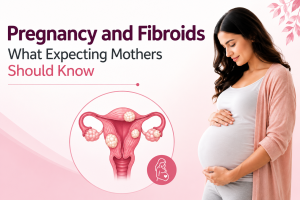
Regular prenatal check-ups help monitor fibroids and ensure the health and well-being of both mother and baby throughout pregnancy. Pregnancy is an exciting journey, but for women diagnosed with uterine fibroids, it can also bring additional questions and concerns. Fibroids are non-cancerous growths that develop in or around the uterus and are common among women of reproductive age. While many women with fibroids experience healthy pregnancies and deliveries, these growths can sometimes affect fertility,...
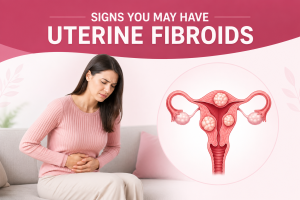
Read MoreAlthough many women with fibroids have healthy pregnancies, certain fibroids can affect fertility by altering the shape of the uterus or blocking the fallopian tubes. Uterine fibroids are non-cancerous growths that develop in or around the uterus and are among the most common gynecological conditions affecting women during their reproductive years. While some fibroids remain small and cause no symptoms, others can lead to a range of health concerns that affect daily life, fertility,...
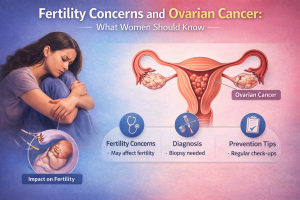
Read MoreThis blog explores how ovarian cancer can impact fertility, available preservation options, and emotional considerations, empowering women to plan their care while keeping future family goals in mind. A diagnosis of ovarian cancer can be overwhelming, especially for women who hope to have children in the future. Along with concerns about treatment and recovery, questions about fertility often arise early in the journey. Ovarian cancer and its treatments may affect reproductive health in diverse...
Read MoreAmong the many nutrients essential during this period, folic acid stands out as a true superhero. Pregnancy is a transformative journey, and ensuring proper nutrition is crucial for the health of both mother and baby. Among the many nutrients essential during this period, folic acid stands out as a true superhero. Often overlooked, this B-vitamin plays a vital role in supporting the healthy development of your baby’s brain and spinal cord, significantly reducing the...
Read MoreRegular prenatal visits and open communication about any unusual symptoms ensure that potential risks are addressed quickly, increasing the chances of a full-term, healthy pregnancy for both mother and baby Premature birth, defined as delivery before 37 weeks of pregnancy, affects millions of families worldwide each year. While many babies born early thrive with proper care, prematurity can pose significant health challenges and long-term developmental concerns. Understanding the causes and risk factors is crucial...
Read MoreIrregular periods can sometimes be associated with gynecological cancers, but it is not necessarily a direct cause or a common early sign. Regular periods are an important indicator of overall reproductive health. They help maintain hormonal balance, regulate the menstrual cycle, and ensure the proper functioning of the ovaries and uterus. Irregular periods can signal underlying health issues such as hormonal imbalances, thyroid problems, polycystic ovary syndrome (PCOS), or other medical conditions. If periods...
Read MoreOvarian cancer can cause infertility, though the impact depends on factors like the stage of cancer, the type of treatment, and the woman’s age. Being diagnosed with ovarian cancer brings a wave of emotions—shock, fear, and uncertainty. The initial disbelief can quickly turn into overwhelming anxiety about treatment, survival, and the impact on loved ones. Many experience sadness, grief, and even guilt, questioning why this has happened. The loss of control over one’s body...
Read MoreWhile it can bring challenges, menopause is not something to be feared. With the right information and support, women can navigate this transition and continue to lead vibrant, fulfilling lives. Menopause is a natural phase in a woman’s life, marking the end of her reproductive years. It typically occurs between the ages of 45 and 55 and brings about various changes in the body. However, despite being a common experience for women worldwide, menopause...
Read MoreWith appropriate medical care and management many women have successfully carried pregnancies to term despite having endometriosis. Q: What is Endometriosis? Dr: Endometriosis is a chronic condition where tissue similar to the lining of the uterus grows outside the uterus. This tissue, called endometrium, can adhere to various pelvic organs, causing pain, inflammation, and in severe cases, infertility. Q: Is an individual born with Endometriosis? Dr: No, individuals are not...
Read MoreIt is important for individuals experiencing amenorrhea to undergo a thorough medical evaluation to identify the underlying cause and address any potential complications. Women are often baffled by an absent period. The most common cause for missing periods is being pregnant, but if that is not a possibility, one must dive deeper. Amenorrhea is the medical term used to describe the absence of menstrual periods in women of reproductive age. There are two...
Read MoreMaintaining cervical health is paramount for the overall well-being and reproductive health of women. Cervical health refers to the overall well-being and condition of the cervix, which is the lower part of the uterus that connects to the vagina. Maintaining cervical health is important for a woman's reproductive and overall health. Key Aspects of Cervical Health 1. Pap Smear Tests: Regular Pap smears or Pap tests are essential for cervical health....
Read MoreThe impact of fibroids on fertility can vary depending on the size, location, and number of fibroids, as well as individual factors. In many cases, fibroids may not cause any fertility issues or complications during pregnancy. A uterine fibroid, also known as leiomyoma or simply fibroid, is a non-cancerous (benign) tumour that develops within the muscular walls of the uterus, which is the female reproductive organ where a foetus grows during pregnancy. Uterine fibroids...
Read MoreThe recovery depends mainly on how healthy and strong the mother is. Any pain associated with the incision subsides within three days and in fact, the mother can be on her feet as soon as she feels up to it. Our traditional beliefs make us think that a natural, normal delivery is what ultimately converts a woman into a mother. From enduring hours of painful labour to pushing the baby out through the birth...
Read MoreThe cost of IVF treatment in the US and the UK is extremely high - costing around USD 15000 (which is around Rs.12,00,000). In the Indian IVF scape, the cost per cycle in hospitals with high success rates can be anywhere between Rs. 70,000 to Rs.2,50,000 From a cultural standpoint, having a child is what completes a woman. This placed the burden of being childless solely upon the woman's shoulders; it had always considered...
Read MoreThe success rate of IVF in India can be put down to 30% to 35%, while globally the success of IVF is about 40%. Over 40 years ago when the first test tube baby was born, it brought a ray of hope into the lives of hundreds of couples unable to conceive. A baby born via In Vitro Fertilization is what we commonly call a test tube baby (Vitro means outside the body). From...
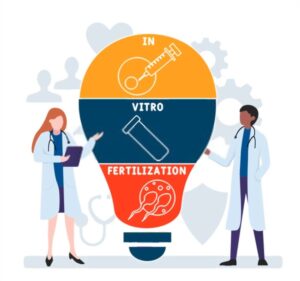
Read MoreIn Vitro Fertilization is a method of assisted reproductive technology for couples unable to conceive naturally or who have tried other fertility methods and failed. For couples trying to conceive, a delay in pregnancy causes much anxiety and stress. This is counter-productive and poses a greater obstacle. While most couples eventually do succeed in getting pregnant by calculating the fertility window and having intercourse accordingly, some couples will have a harder time. After at...
Read MoreDiagnosing illnesses in their early stages helps treat them more effectively. While an annual health check is essential for men and women, to ensure they are healthy, there are certain tests that are specific only to women. These tests and screenings help identify early onset of diseases that have a higher incidence in women. Diagnosing illnesses in their early stages helps treat them more effectively. Let us look at some recommended annual medical tests...
Read More50% of all sexually active individuals have HPV but the body's immune system clears the virus. However, in some cases the virus stays on and can cause cancer C ervical Cancer is the second most common cancer among women in India, after Breast Cancer. Fortunately, it is a treatable cancer but unfortunately there is not enough awareness on early screening and treatment, which means the cancer advances and lives are lost. In order to...
Read More50% of all sexually active individuals have HPV but the body's immune system clears the virus. However, in some cases the virus stays on and can cause cancer A vaccine is given to prevent a disease. This means it needs to be taken ahead of the onset of the disease for it to be fully effective. Frequently people believe that natural immunity is the best way to combat disease, which may be true. But...
Read MoreHuman Papillomavirus is the most common sexually transmitted virus. There are more than 100 strains of HPV of which at least 30 to 40 causes infections in the genital tract. As common as it is, the Human Papillomavirus (HPV) can cause a number of infections including cancer and genital warts. It is important to understand how one acquires HPV and how to prevent severe infection to stay safe and healthy. Q:WHAT IS HPV?...
Read MoreWomen within the age of 21 to 65 can have a Pap Smear done once every 3 years or as recommended by the doctor. If you are found to be at risk for Cervical Cancer, you may need to have the test done more frequently. Q:What is a Pap Smear Test? Dr:A Pap Smear or a Pap Test involves taking cells from the cervix (lower end of uterus, top of your vagina), to...
Read MoreA man's fertility potential is at its best until the age of 50. After this age, the quality of sperm produced and sperm count go down. For women the ideal age to get pregnant is 25 to 35 years. Q:How long should a couple try to conceive naturally before opting for Fertility Testing? Dr:After a year of carefully timed, unprotected sexual intercourse, if a couple is unable to conceive, it is time to...
Read MoreHaving unprotected sex as close as possible to to the time of ovulation increases the chances of conception For couples trying to conceive, being aware of the four phases of the menstrual cycle can help time intercourse in order to improve their chances of getting pregnant. But first, what are the phases of the menstrual cycle? THE MENSTRUAL PHASE It is the time when women have their periods. It lasts for 4...
Read MoreWomen who have PCOS are able to become pregnant. Polycystic ovary syndrome (PCOS) is a common endocrine and reproductive disorder among women of reproductive age. Women with PCOS may have infrequent or prolonged menstrual periods or excess male hormone (androgen) levels. The ovaries may develop numerous small collections of fluid (follicles) and fail to regularly release eggs. Prevalence estimates ranging from 2.2% to as high as 26% What is the cause for...
Read MoreShying away from a routine fertility evaluation is something to avoid. Like many inherited conditions, infertility is in most cases beyond the control of the individual. For couples trying to conceive and seeing no success after at least a year of unprotected sexual intercourse, evaluating their fertility and scope for pregnancy can help to understand what is causing the delay. These days we need not make assumptions as to who is infertile and whether...
Read MorePreviously infertility was considered purely a female problem, however studies have proven it's the female factor in 40% of the cases and the male factor in 40% of the cases. Having a child of their own is what most married couples dream of. However, today for various reasons conceiving a baby naturally has become difficult for many couples. There is hope yet. Fertility Investigation & Treatment can help couples conceive a child naturally or...
Read MoreYoga increases blood flow to reproductive organs, improves endocrine function and hormonal balance and is also known to reduce discomfort associated with IVF treatment. For couples yearning to conceive, but unable to do so, it is NOT the end of the road. There are several Fertility Treatments and Assisted Reproductive Procedures, to help get pregnant. Using In Vitro Fertilization has become widely acceptable and common amongst infertile couples and the stigma is fast wearing...
Read MoreFertility may have challenged us, but we are stronger for it. If a couple has tried to conceive for a year, with no success, it is probably because one of them is infertile. This could be a result of external conditions such as trauma to the reproductive organs or prolonged exposure to certain harsh chemicals. It could also be a medical condition. In these modern times there is no need to blindly pin the...
Read MoreIVF and IUI are oft heard of terms when it comes to Assisted Reproductive Technology, but they are not the only options. Lifestyle changes and environmental causes have led to an increased number of couples finding it hard to conceive. Accepting and understanding infertility is not easy. However, once you do, you will also realise that there is still hope. The advancements in Reproductive Medicine have made it possible to overcome infertility and have...
Read MoreWomen with PCOS do not ovulate regularly, which complicates conception – making it next to impossible to do so without medical intervention ‘Irregular periods’ is a term casually looked at. Perhaps, we need to zoom in a little. Polycystic Ovarian Syndrome (also known as Polycystic Ovarian Disease/ PCOD) at young age could also be of concern in later life. What is Polycystic Ovarian Syndrome (PCOS)? PCOS is a hormonal imbalance in women...
Read More