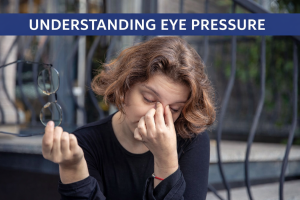
Many people are unaware of the role eye pressure plays until vision problems appear. Since damage caused by high eye pressure is usually permanent, understanding how it affects vision is essential. Eye pressure, also called intraocular pressure, is a key factor in maintaining healthy vision. When eye pressure remains balanced, the eyes function smoothly and efficiently. However, when this pressure increases or becomes unstable, it can slowly damage the structures inside the eye, often...
Read MoreEarly introduction to contacts can improve vision and quality of life, but it requires careful supervision and commitment to hygiene to keep young eyes healthy. Choosing the right vision correction method for kids and teens can be challenging, and contact lenses are often considered as an alternative to glasses. While contacts offer clear benefits like improved appearance, wider field of vision, and more freedom during sports and activities, they also come with responsibilities that...
Read MoreCognitive development may also be impaired, as excessive screen use can reduce attention spans, hinder academic performance, and limit opportunities for creative and outdoor play. Excessive screen time can negatively affect a child's physical, mental, and emotional health. Prolonged use of devices often leads to a sedentary lifestyle, contributing to obesity, poor posture, and eye strain or digital eye syndrome. Additionally, it disrupts sleep patterns due to exposure to blue light, which suppresses melatonin...
Read MoreChildren are particularly vulnerable to eye injuries due to their active lifestyles, curiosity, and often unawareness of potential dangers. Eye Injury Prevention Month, observed in July, aims to raise awareness about the importance of protecting eyes from injuries that can occur in various settings, including at home, at work, and during recreational activities. The need for this observance arises from several key factors: High Incidence of Eye Injuries: Eye injuries are common and...
Read MoreDiets rich in antioxidants, such as vitamins C and E, carotenoids, and omega-3 fatty acids, are believed to lower the risk of cataracts. A cataract is a clouding of the eye's natural lens, which lies behind the iris and the pupil. The lens is normally clear and allows light to pass through to the retina, where the light is processed into visual information. When a cataract forms, it causes the lens to become cloudy,...
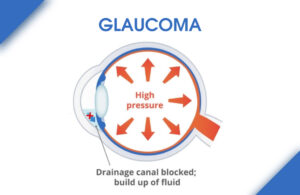
Read MoreSeveral factors may contribute to the increased risk of glaucoma in individuals with diabetes. It's important to note that not everyone with diabetes will develop glaucoma. Glaucoma is a group of eye problems that harm the optic nerve, which helps send what we see to our brain. It often comes with high pressure in the eye, but not always. There are two main kinds: open-angle, which is gradual and common, and angle-closure, which can...
Read MorePreventing diabetic retinopathy involves proactive measures to manage diabetes effectively Diabetic retinopathy is a condition that demands attention in the realm of diabetes-related complications. Diabetic retinopathy is a serious eye disorder stemming from prolonged high blood sugar levels. In this blog, we will unravel the intricacies of this condition, exploring its stages, risk factors, and, most importantly, techniques for prevention and management. As a common cause of vision loss, understanding diabetic retinopathy is pivotal...
Read MoreAgeing could be a cause for low vision in elderly people, but in others, the cause for low vision could be an infection, structural damage to some part of the eye, cancer of the eye, diabetes or even brain injury. The term Low Vision is self-explanatory. It indicates a condition in which a person's sight is compromised. The person has not lost his vision, but rather cannot see very clearly. Ageing could be a...
Read MoreThe most unfortunate part of Glaucoma is that it creeps up on you silently. People do not realize that their vision is affected until it's too late. Glaucoma is one of the main causes for blindness in older people and is hence considered a disease of the elderly. There are quite a few myths and misconceptions about glaucoma that must be busted Myth #1: GLAUCOMA OCCURS ONLY IN OLD PEOPLE. While most...
Read MoreIt is always best to get an eye test done for children, once every two years. In fact it is advisable to do the first eye test when they are just six months old Eye care for kids and for grown-ups varies drastically. Vision being a subjective issue, it's not easy to spot mild disturbances in the child, who is not likely to even sense anything wrong until the problem is glaring. This means...
Read More