+91 44 66 300 300

Many people are unaware of the role eye pressure plays until vision problems appear. Since damage caused by high eye pressure is usually permanent, understanding how it affects vision is essential.
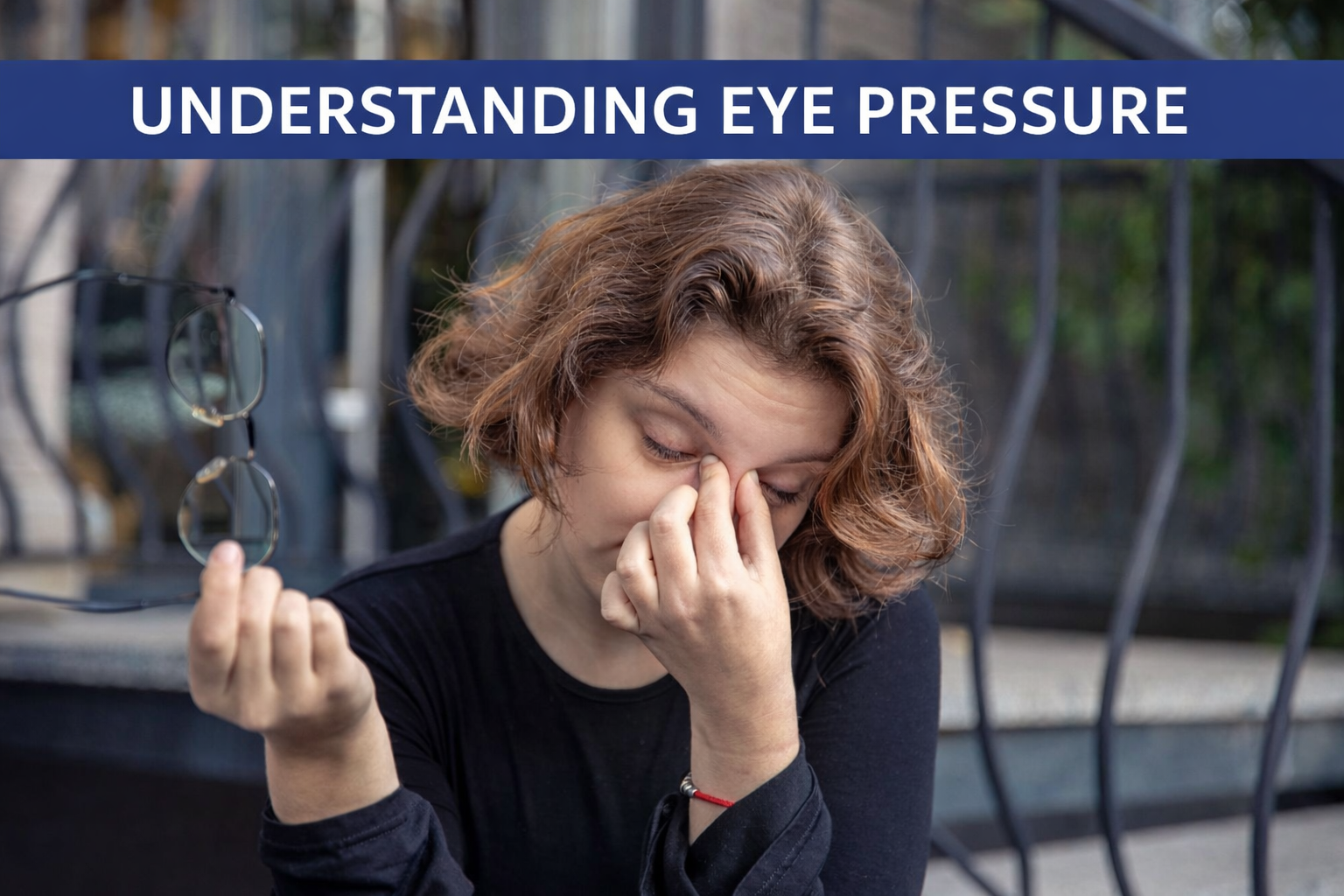
Eye pressure, also called intraocular pressure, is a key factor in maintaining healthy vision. When eye pressure remains balanced, the eyes function smoothly and efficiently. However, when this pressure increases or becomes unstable, it can slowly damage the structures inside the eye, often without noticeable symptoms in the initial stages.
Many people are unaware of the role eye pressure plays until vision problems appear. Since damage caused by high eye pressure is usually permanent, understanding how it affects vision is essential for early detection and prevention of serious eye diseases.
Understanding Eye Pressure (Intraocular Pressure)
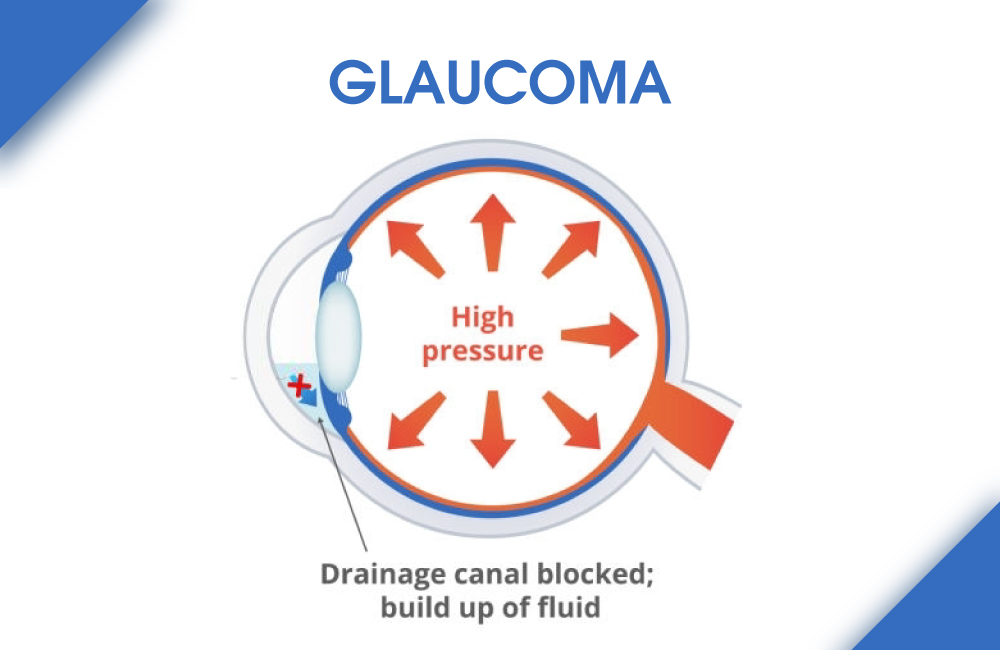
Eye pressure refers to the pressure created by a fluid called aqueous humor inside the eye. This fluid is continuously produced and drained to nourish eye tissues and maintain the eye’s shape. A healthy balance between fluid production and drainage keeps eye pressure within a normal range.
When this balance is disturbed, pressure inside the eye can increase. This may happen if the fluid drains too slowly or if too much fluid is produced. Over time, elevated pressure can begin to affect sensitive parts of the eye, particularly the optic nerve.
What makes high eye pressure dangerous is that it usually causes no pain or early symptoms. Many people feel their vision is normal even as damage slowly progresses. Regular eye examinations are the only reliable way to measure intraocular pressure and detect problems early.
How Normal Eye Pressure Helps Maintain Eye Shape and Function
Normal eye pressure is essential for preserving the eye’s shape and stability. It keeps the eye firm, allowing light to enter and focus properly on the retina. Without adequate pressure, the eye could lose its shape and visual clarity.
Balanced pressure also supports the proper functioning of the cornea and lens. These structures bend light, so images are focused sharply, enabling sharp vision. Healthy pressure ensures smooth circulation of nutrients within the eye.
When eye pressure is too high or too low, visual performance can be affected. Distorted vision, blurred images, or discomfort may occur. Maintaining normal eye pressure is therefore crucial for long-term visual stability and overall eye health.
What Causes Eye Pressure to Increase
Increased eye pressure usually occurs when the drainage system of the eye does not function properly. Fluid buildup leads to rising pressure within the eye. This is the most common cause of elevated eye pressure.
Other contributing factors include aging, genetic predisposition, eye injuries, long-term use of steroid medications, and certain health conditions such as diabetes or high blood pressure. Even lifestyle factors may influence eye health indirectly.
Although some risk factors cannot be controlled, early awareness helps manage pressure effectively. Regular eye check-ups, proper medication use, and monitoring underlying health conditions can significantly reduce the risk of pressure-related vision damage.
The Link Between High Eye Pressure and Optic Nerve Damage
The optic nerve is responsible for carrying visual information from the eye to the brain. High eye pressure places continuous stress on this delicate nerve, slowly damaging its fibers.
As optic nerve damage progresses, peripheral vision is usually affected first. Since central vision remains intact initially, many people do not realize their vision is deteriorating until severe damage has occurred.
Once optic nerve damage develops, it cannot be reversed. This makes early detection and pressure control critical. Protecting the optic nerve is one of the main goals of eye pressure management.
How Increased Eye Pressure Leads to Glaucoma
Glaucoma is a group of eye conditions commonly associated with high eye pressure. Persistent pressure damages the optic nerve over time, leading to gradual vision loss.
The condition often progresses silently, without pain or noticeable symptoms in the initial stages. Vision loss typically begins at the edges and advances inward, eventually affecting central vision.
While glaucoma cannot be cured, it can be controlled. Lowering eye pressure through medications, laser treatment, or surgery helps slow disease progression and preserve remaining vision.
Can You Have Glaucoma with Normal Eye Pressure?
Yes, glaucoma can develop even when eye pressure readings fall within the normal range. This condition is known as normal-tension glaucoma.
In such cases, the optic nerve may be more vulnerable to pressure or affected by poor blood supply. Even normal pressure levels can gradually damage the nerve over time.
This highlights the importance of comprehensive eye examinations. Eye pressure alone does not tell the full story—optic nerve health and visual field testing are equally important for accurate diagnosis.
Symptoms and Warning Signs of Raised Eye Pressure
In most cases, raised eye pressure does not produce noticeable symptoms initially. This is why it is often referred to as a “silent” problem.
Some people may experience headaches, blurred vision, eye pain, halos around lights, or redness. A sudden rise in pressure can cause severe pain and vision disturbances and requires immediate medical attention.
Ignoring symptoms or delaying check-ups can result in permanent vision loss. An eye specialist should promptly evaluate any changes in vision.
How Eye Pressure Is Measured and Controlled
Eye pressure is measured using painless tests such as tonometry during routine eye exams. These tests provide quick and accurate readings.
If pressure is elevated, treatment may include eye drops that reduce fluid production or improve drainage. Laser therapy or surgery may be recommended in advanced cases.
Regular follow-up is essential to ensure pressure remains controlled. With timely treatment and monitoring, many people maintain good vision throughout their lives.
Why Monitoring Eye Pressure Matters
Eye pressure plays a vital role in maintaining healthy vision. When left unchecked, elevated pressure can silently damage the optic nerve and lead to irreversible vision loss. The lack of early symptoms makes routine eye examinations especially important.
Understanding how eye pressure affects vision empowers individuals to take preventive action. Early detection, consistent treatment, and regular monitoring are the strongest tools for protecting eyesight and preserving quality of life.