+91 44 66 300 300



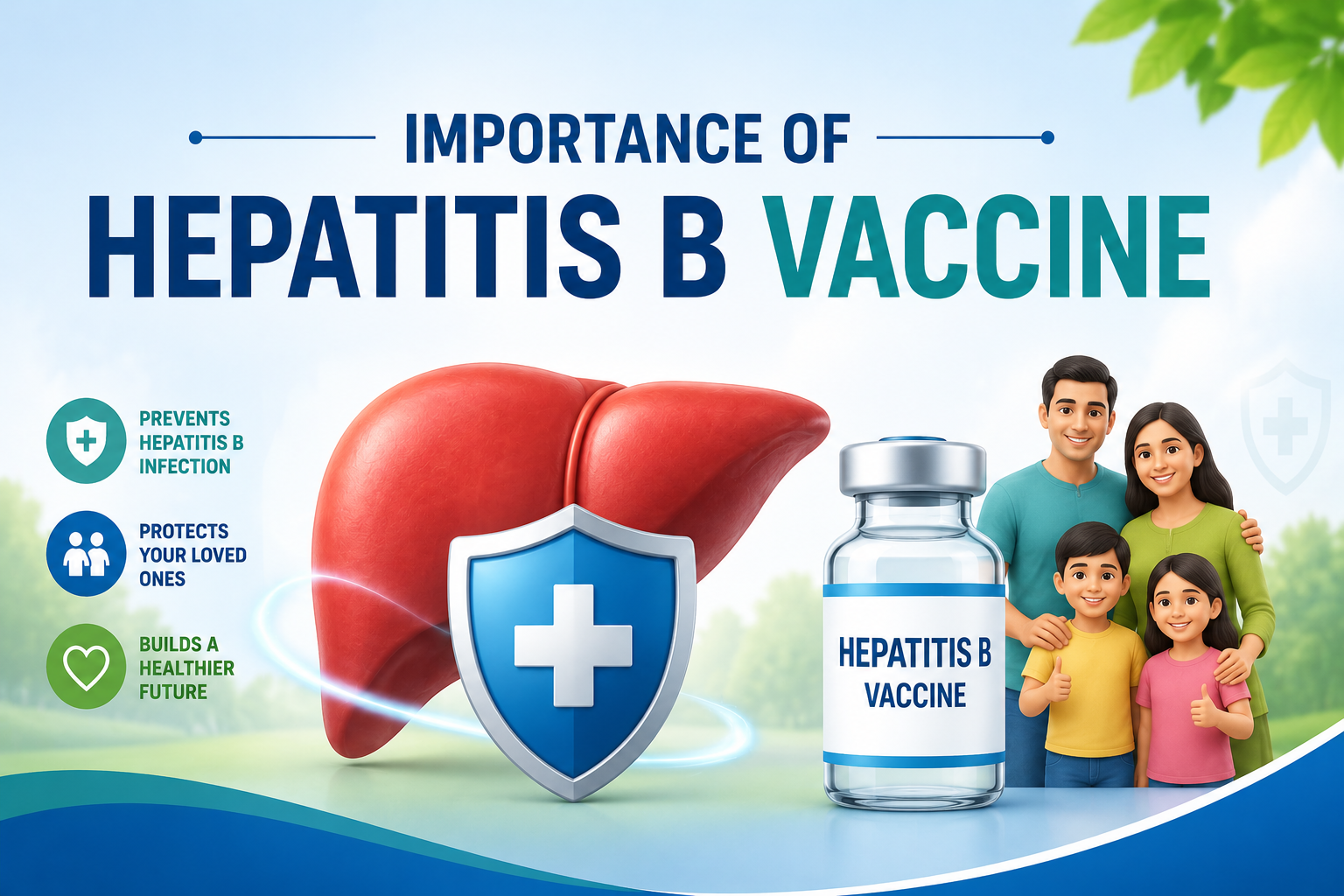
The good news is that Hepatitis B vaccination offers safe, effective, and long-lasting protection against the virus.
Hepatitis B is a serious viral infection that affects the liver and can lead to chronic liver disease, cirrhosis, and even liver cancer if left untreated. Despite being preventable, millions of people worldwide continue to be affected by Hepatitis B, often without realizing they are infected. The good news is that Hepatitis B vaccination offers safe, effective, and long-lasting protection against the virus. From newborns to adults, vaccination plays a crucial role in safeguarding individual health and preventing the spread of infection within communities. In this blog, we explore why Hepatitis B vaccination is essential and how it helps protect future generations.
What Is Hepatitis B and Why Is It Dangerous?
Hepatitis B is a viral infection caused by the Hepatitis B virus (HBV) that primarily targets the liver. It spreads through contact with infected blood, bodily fluids, or from an infected mother to her baby during childbirth. While some people experience symptoms such as fatigue, fever, nausea, abdominal pain, and jaundice, many individuals may not show any symptoms at all. This silent nature of the infection often allows the virus to go undetected for years, increasing the risk of long-term health complications.
Once the virus enters the body, it attacks liver cells and triggers inflammation. The liver plays a vital role in filtering toxins, producing essential proteins, and supporting digestion. Persistent inflammation caused by chronic Hepatitis B can gradually damage liver tissue, reducing the organ’s ability to function properly. In some cases, the body’s immune response is unable to eliminate the virus, leading to a chronic infection that can last for decades.
The danger of Hepatitis B lies in its potential to cause serious and irreversible liver damage. Over time, chronic infection can lead to cirrhosis, a condition in which healthy liver tissue is replaced by scar tissue, impairing liver function. Individuals with chronic Hepatitis B also face a significantly higher risk of developing liver cancer and liver failure. Early detection, regular monitoring, and most importantly, vaccination, are key to preventing these potentially life-threatening complications.
How Hepatitis B Spreads: Common Modes of Transmission
Understanding how Hepatitis B spreads is essential for preventing infection and protecting liver health. The Hepatitis B virus (HBV) is highly infectious and is transmitted through contact with infected blood and certain bodily fluids. Contrary to common myths, it does not spread through casual contact such as hugging, shaking hands, coughing, or sharing meals.
Some of the most common modes of Hepatitis B transmission include:
One of the leading causes of Hepatitis B infection worldwide is transmission from an infected mother to her baby during childbirth. Timely vaccination at birth can significantly reduce this risk.
Hepatitis B can spread through sexual contact with an infected person. The virus may be present in semen, vaginal fluids, and blood, making safe sexual practices important for prevention.
Contact with infected blood can transmit the virus. This may occur through blood transfusions that are not properly screened, accidental needle-stick injuries, or contact with open wounds.
People who share needles, syringes, or other drug-injection equipment are at an elevated risk of contracting Hepatitis B due to direct blood-to-blood exposure.
Using unsterilized medical instruments, tattoo needles, piercing equipment, or dental tools can increase the risk of Hepatitis B transmission if proper infection-control practices are not followed.
Items such as razors, nail clippers, toothbrushes, or any object that may encounter blood should not be shared, as they can potentially transmit the virus.
Doctors and others who may encounter blood or bodily fluids as part of their profession face an increased risk of exposure and are strongly advised to receive the Hepatitis B vaccine.
By understanding these common transmission routes, individuals can take proactive steps to reduce their risk. Vaccination, safe healthcare practices, and increased awareness remain the most effective ways to prevent Hepatitis B infection and its potentially serious complications.
The Benefits of Hepatitis B Vaccination
The Hepatitis B vaccine is one of the most effective vaccines available, offering strong protection against infection. Once the recommended doses are completed, most individuals develop long-lasting immunity that significantly reduces their risk of contracting the virus. By preventing infection, the vaccine also helps protect the liver from inflammation and damage caused by the Hepatitis B virus.
Chronic Hepatitis B infection can lead to severe health problems, including liver cirrhosis, liver failure, and liver cancer. Vaccination helps stop the infection before it starts, thereby reducing the risk of these potentially life-threatening complications. By safeguarding liver health from an early age, the vaccine contributes to better long-term health outcomes and improved quality of life.
Vaccinating infants shortly after birth is one of the most effective ways to prevent mother-to-child transmission of Hepatitis B. Early immunization ensures protection during the most vulnerable stages of life and helps prevent chronic infections that can persist in adulthood. Childhood vaccination programs have significantly reduced the global burden of Hepatitis B and related liver diseases.
When more people are vaccinated, fewer individuals are available to transmit the virus, helping to reduce its spread within families and communities. This community-wide protection is particularly important for vulnerable populations, including newborns, older adults, and those with weakened immune systems. Widespread vaccination plays a key role in controlling and eventually eliminating Hepatitis B as a public health threat.
Studies have shown that the Hepatitis B vaccine provides long-term protection, often lasting for decades and, in many cases, throughout life. Even when antibody levels decline over time, the immune system retains a memory of the virus and can respond effectively if exposed. This durable protection makes vaccination a reliable and cost-effective strategy for preventing Hepatitis B infection.
The Hepatitis B vaccine has been extensively studied and used worldwide for decades, demonstrating an excellent safety record. Health organizations and medical experts strongly recommend it for people of all ages, especially those at higher risk of exposure. The benefits of vaccination far outweigh the minimal risk of side effects, making it a trusted tool in disease prevention.
Who Should Get Vaccinated Against Hepatitis B?
The Hepatitis B vaccine is recommended for all newborns, ideally within 24 hours of birth. Early vaccination protects infants from infection during childbirth and significantly reduces the risk of developing chronic Hepatitis B. Starting vaccination at birth provides a solid foundation for lifelong protection against serious liver disease.
Children who did not receive the vaccine at birth should complete the recommended vaccination schedule as soon as possible. Vaccinating children and teenagers’ helps protect them before potential exposure to the virus and supports broader community immunity, reducing the overall spread of Hepatitis B infection.
Adults who have never received the Hepatitis B vaccine can still benefit from immunization. Vaccination provides effective protection regardless of age and helps prevent future infection. It is especially important for adults who may be unaware of their vaccination status or have missed routine childhood immunization.
Doctors, nurses, laboratory personnel, dentists, and other healthcare professionals are at an increased risk of exposure to blood and bodily fluids. Hepatitis B vaccination is strongly recommended for doctors to protect them from occupational exposure and reduce the risk of workplace transmission.
Pregnant women should be screened for Hepatitis B as part of routine prenatal care. Those who are at risk and unvaccinated may benefit from vaccination after medical consultation. Preventing maternal infection helps reduce the likelihood of transmitting the virus to the baby during childbirth.
Individuals who live with or care for someone with Hepatitis B may have a higher chance of exposure through contact with infected blood or bodily fluids. Vaccination provides an important layer of protection and helps prevent household transmission of the virus.
Individuals with multiple sexual partners, people who inject drugs, those undergoing dialysis, and people with chronic liver disease are at a higher risk of Hepatitis B infection. Vaccination is highly recommended to reduce the risk of infection and its potentially serious health consequences.
Understanding the Hepatitis B Vaccine Schedule
The Hepatitis B vaccine is administered in a series of doses to provide strong and long-lasting protection against the Hepatitis B virus. For most infants, the first dose is recommended within 24 hours of birth, followed by additional doses according to the national immunization schedule. This early protection is particularly important because newborns infected with Hepatitis B have a much higher risk of developing chronic infection. The vaccine has been proven to be safe, effective, and capable of preventing serious liver diseases associated with Hepatitis B.
Vaccination schedules may vary slightly depending on age, health status, and previous vaccination history. Infants typically receive a three-dose series during their first year of life. Children, adolescents, and adults who have not been vaccinated can also receive the vaccine through a catch-up schedule. In some cases, healthcare providers may recommend an accelerated schedule for individuals who require rapid protection, such as healthcare workers or people traveling to regions where Hepatitis B is common. Your healthcare provider can recommend the most appropriate schedule based on individual needs and risk factors.
Completing the full Hepatitis B vaccine series is essential for achieving optimal immunity. While the first dose begins building protection, the subsequent doses strengthen and extend the body’s immune response, ensuring long-term defense against infection. Missing or delaying doses may reduce the effectiveness of vaccination and leave individuals vulnerable to the virus. By following the recommended schedule and receiving all required doses, individuals can significantly reduce their risk of Hepatitis B infection, chronic liver disease, cirrhosis, and liver cancer while contributing to broader public health protection.
How Vaccination Helps Protect Communities
Hepatitis B vaccination does more than protect individuals—it plays a vital role in safeguarding entire communities. When a significant percentage of the population is vaccinated, the spread of the Hepatitis B virus is significantly reduced. Fewer infections mean fewer opportunities for the virus to be transmitted from person to person through blood or bodily fluids. This community-level protection is especially important for vulnerable groups, including newborns, older adults, and individuals with weakened immune systems who may be at greater risk of severe illness.
Widespread vaccination also helps reduce the overall burden of liver disease. Chronic Hepatitis B infection is a leading cause of cirrhosis, liver failure, and liver cancer worldwide. By preventing new infections, vaccination decreases the number of people who develop these serious complications. This not only improves individual health outcomes but also reduces the demand for long-term medical care, hospitalizations, and costly treatments associated with advanced liver disease, benefiting healthcare systems as a whole.
On a global scale, Hepatitis B vaccination is a cornerstone of public health efforts to eliminate viral hepatitis. Health organizations around the world continue to promote universal vaccination to reduce infection rates and prevent hepatitis-related deaths. Increased vaccine coverage, particularly among infants and high-risk populations, has already led to significant declines in new infections in many regions. Every vaccinated individual contributes to the larger goal of creating healthier communities and moving closer to a future free from Hepatitis B.
A Simple Step Toward Lifelong Protection
Hepatitis B remains a major global health concern, but it is also one of the most preventable infectious diseases. Vaccination offers safe, effective, and long-lasting protection against the virus, helping to prevent chronic liver disease, cirrhosis, and liver cancer. From newborns and children to adults and high-risk groups, timely immunization is a crucial investment in long-term health. By understanding the importance of vaccination and completing the recommended vaccine schedule, individuals can protect themselves and their loved ones. Every vaccination is a step toward healthier communities and a future free from Hepatitis B.

CONSULTANT – GASTROENTEROLOGIST
MBBS., MD., DM(Medical Gastroenterologist)