+91 44 66 300 300



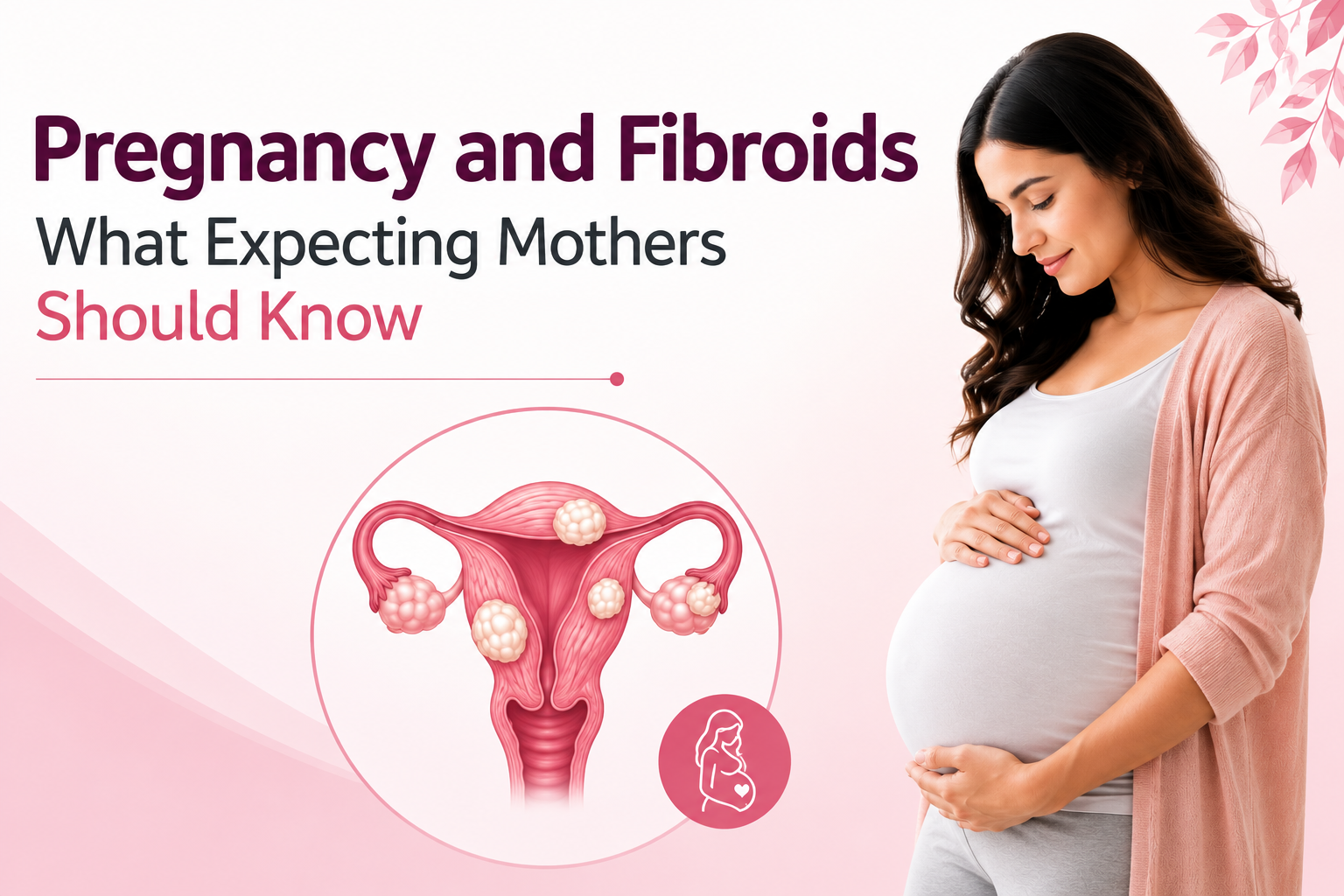
Regular prenatal check-ups help monitor fibroids and ensure the health and well-being of both mother and baby throughout pregnancy.
Pregnancy is an exciting journey, but for women diagnosed with uterine fibroids, it can also bring additional questions and concerns. Fibroids are non-cancerous growths that develop in or around the uterus and are common among women of reproductive age. While many women with fibroids experience healthy pregnancies and deliveries, these growths can sometimes affect fertility, pregnancy progression, and childbirth.
Understanding how fibroids may influence pregnancy is essential for ensuring the best possible outcomes for both mother and baby. In this blog, we explore the relationship between pregnancy and fibroids, discuss potential risks and complications, and explain how proper monitoring, timely medical care, and personalized treatment can help expectant mothers navigate their pregnancy with confidence and peace of mind.
What Are Fibroids and How Common Are They Among Pregnant Women?
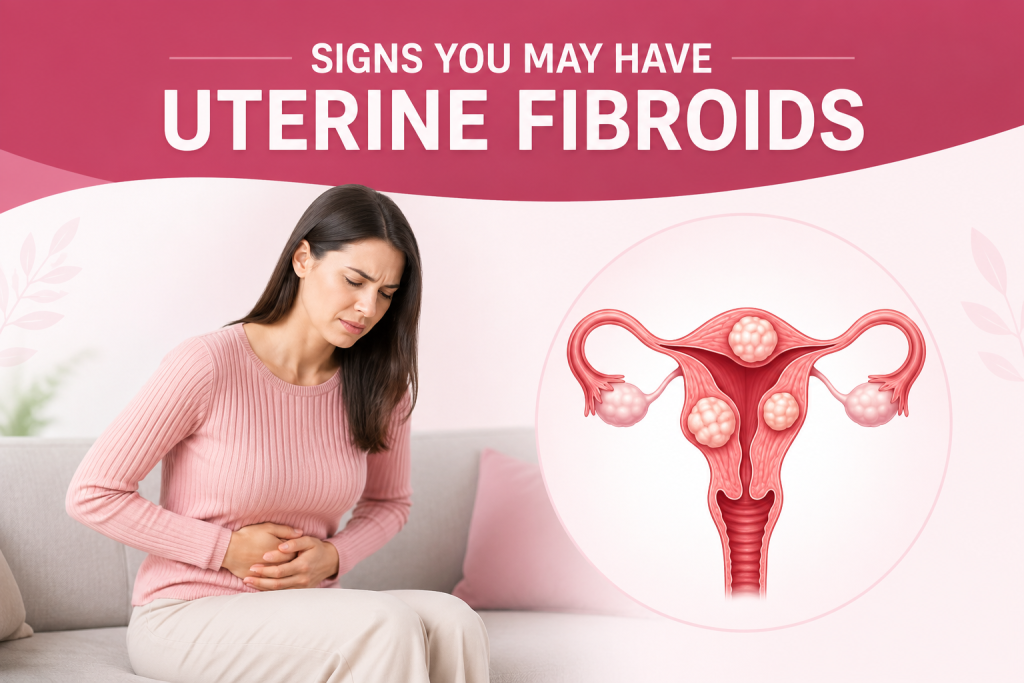
Uterine fibroids are non-cancerous growths that develop from the muscle tissue of the uterus. Also known as leiomyomas or myomas, fibroids can vary greatly in size, number, and location. Some women may have a single small fibroid, while others may develop multiple larger growths. Although the exact cause of fibroids is not fully understood, hormones such as estrogen and progesterone are believed to play a significant role in their development. Many women with fibroids experience no symptoms, while others may have heavy menstrual bleeding, pelvic pain, or pressure.
Fibroids are one of the most common gynecological conditions among women of reproductive age and are found in approximately 2–12% of pregnancies. In many cases, fibroids are discovered during routine prenatal ultrasounds. While most women with fibroids go on to have healthy pregnancies, the presence of fibroids may sometimes increase the risk of complications, making regular prenatal monitoring and timely medical care important for both maternal and fetal well-being.
Can Fibroids Affect Conception and Early Pregnancy?
Uterine fibroids can affect fertility in some women, depending on their size, number, and location. While many women with fibroids conceive naturally and experience healthy pregnancies, certain fibroids may interfere with conception. Submucosal fibroids, which grow into the uterine cavity, are particularly associated with fertility challenges because they can alter the shape of the uterus and make it more difficult for a fertilized egg to implant successfully. Large fibroids may also block the fallopian tubes or affect blood flow to the uterine lining.
Once pregnancy occurs, fibroids can sometimes influence the initial stages of fetal development. During pregnancy, increased hormone levels may cause fibroids to grow, especially during the first trimester. This growth can occasionally lead to pelvic pain, discomfort, or pressure symptoms. In some cases, fibroids may increase the risk of complications such as implantation problems, bleeding, or early pregnancy loss, although many women with fibroids go on to have normal pregnancies.
The degree of risk often depends on the fibroid’s location. Fibroids that distort the uterine cavity are generally more likely to affect pregnancy outcomes than those located on the outer surface of the uterus. However, every pregnancy is unique, and the presence of fibroids does not automatically mean complications will occur.
Early prenatal care is essential for women with fibroids. Regular check-ups and ultrasound examinations help doctors monitor fibroid growth, assess the baby’s development, and identify potential concerns at an early stage. Timely medical guidance and close monitoring can significantly improve maternal and fetal outcomes, helping expectant mothers enjoy a safer and healthier pregnancy.
Common Symptoms of Fibroids During Pregnancy
While many pregnant women with uterine fibroids experience no symptoms, others may notice discomfort as the fibroids grow or change during pregnancy. Common symptoms include:
A feeling of heaviness, fullness, or discomfort in the pelvic region.
Pain or cramping caused by fibroid growth or degeneration.
Large fibroids may put pressure on surrounding muscles and nerves, leading to lower back discomfort.
The abdomen may appear larger due to the presence of fibroids.
Fibroids pressing against the bladder can increase the urge to urinate.
Pressure on the urinary tract may make urination uncomfortable or incomplete.
Fibroids that press on the bowel can slow digestive movements.
Walking, bending, or changing positions may become uncomfortable.
Some women may experience light bleeding, particularly in early pregnancy.
Rapid fibroid growth can outgrow its blood supply, causing severe localized pain and tenderness.
When to Seek Medical Attention
Pregnant women with fibroids should contact their doctor if they experience severe abdominal pain, heavy vaginal bleeding, persistent contractions, fever, or a sudden worsening of symptoms. Regular prenatal check-ups help monitor fibroids and ensure the health and well-being of both mother and baby throughout pregnancy.
Potential Pregnancy Complications Linked to Fibroids
Certain types of uterine fibroids, particularly submucosal fibroids that distort the uterine cavity, may increase the risk of miscarriage. Fibroids can interfere with embryo implantation or reduce blood flow to the developing pregnancy. While many women with fibroids have successful pregnancies, close monitoring during the first trimester is important to identify and manage potential risks early.
Large fibroids may reduce the available space within the uterus, potentially increasing the risk of preterm labor and premature birth. Fibroids can also irritate the uterine muscles, triggering contractions before the baby reaches full term. Regular prenatal care helps doctors monitor signs of preterm labor and take steps to support a healthy pregnancy.
Fibroids may increase the likelihood of placental abruption, a serious condition in which the placenta separates partially or completely from the uterine wall before delivery. This can reduce the baby’s oxygen and nutrient supply and may cause significant bleeding. Although uncommon, placental abruption requires immediate medical attention to protect both mother and baby.
The presence of large fibroids can alter the shape of the uterus and limit the baby’s ability to move into the ideal head-down position before birth. As a result, the baby may remain in a breech or transverse position, which can complicate labor and increase the likelihood of requiring a cesarean delivery.
In some cases, large fibroids may compete for space and blood supply within the uterus, potentially affecting fetal growth. Although this complication is relatively rare, doctors may recommend additional ultrasounds to monitor the baby’s development. Early detection allows doctors to address concerns and ensure appropriate care throughout the pregnancy.
Women with fibroids may have a higher chance of requiring a cesarean section, especially if fibroids block the birth canal, interfere with labor progression, or cause abnormal fetal positioning. A planned delivery approach based on the size and location of fibroids can help improve safety and outcomes for both mother and baby.
Fibroids can affect the uterus’ ability to contract effectively after childbirth. Poor uterine contractions may increase the risk of postpartum hemorrhage, a condition involving excessive bleeding after delivery. Doctors are aware of this risk and can take preventive measures during and after childbirth to reduce complications and support recovery.
How Fibroids Are Monitored and Managed During Pregnancy
Managing fibroids during pregnancy primarily focuses on ensuring the health and safety of both the mother and the developing baby. Most fibroids do not require active treatment during pregnancy, but they do need careful monitoring. The approach depends on the size, location, and number of fibroids, as well as any symptoms or complications they may cause.
Regular prenatal check-ups play a crucial role in monitoring fibroids throughout pregnancy. Ultrasound examinations help doctors assess fibroid growth, track the baby’s development, and identify potential complications such as abnormal fetal positioning, placental issues, or restricted fetal growth. Routine monitoring allows doctors to detect concerns early and plan appropriate care.
Pain is one of the most common symptoms experienced by pregnant women with fibroids, particularly when fibroids grow rapidly or undergo degeneration. In most cases, symptoms can be managed with rest, adequate hydration, gentle activity, and pregnancy-safe medications recommended by a doctor. Self-medication should always be avoided during pregnancy.
Medical intervention may be necessary if fibroids cause severe pain, heavy bleeding, preterm labor, or other significant complications. In rare cases, hospitalization and specialized treatment may be required. Close communication with an obstetrician ensures timely management and helps support a healthy pregnancy, safe delivery, and positive outcomes for both mother and baby.
Delivery, Postpartum Care, and Recovery
The impact of uterine fibroids on delivery depends largely on their size and location. Many women with fibroids can safely have a vaginal birth, especially when the fibroids do not obstruct the birth canal or interfere with the baby’s position. However, large fibroids may increase the risk of complications such as prolonged labor, abnormal fetal positioning, or difficulty during delivery. In such cases, a cesarean section may be recommended to ensure the safety of both mother and baby. Your doctor will assess the situation and determine the most appropriate delivery plan.
After childbirth, many fibroids naturally shrink as pregnancy hormone levels decline. In some women, fibroids become significantly smaller during the postpartum period and may cause fewer symptoms than before pregnancy. However, some fibroids may persist and continue to require monitoring, particularly if they remain large or symptomatic.
Postpartum follow-up appointments are important for evaluating fibroid size, recovery, and overall reproductive health. Women who plan to have more children should discuss future pregnancy planning with their doctor. Appropriate monitoring and treatment, when necessary, can help reduce complications and support healthier pregnancies in the future.