Understanding the causes, symptoms, diagnosis, treatment and prevention of fatty liver can help you take timely steps towards better liver health.
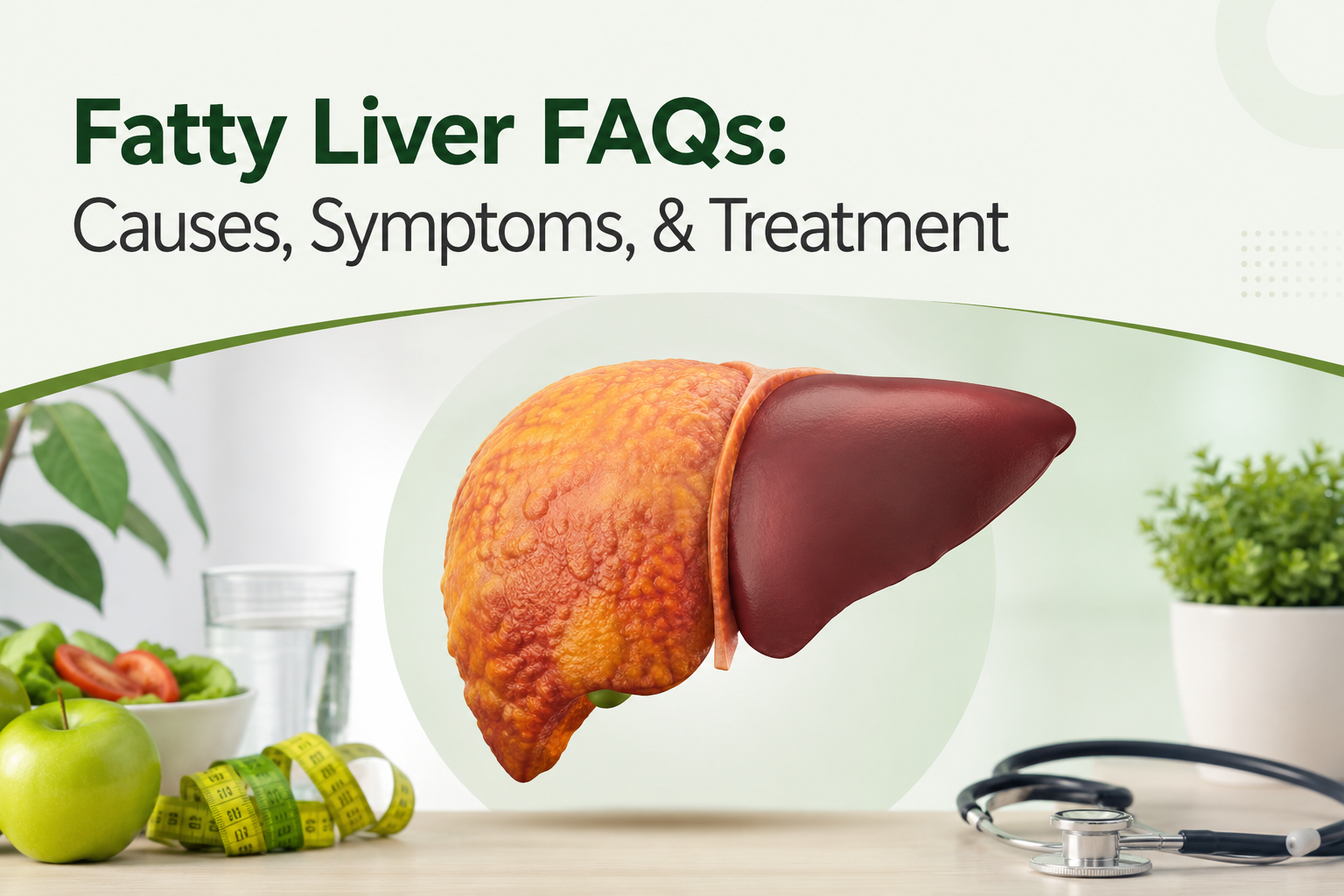
Fatty liver disease is becoming increasingly common and can affect people of different ages. It occurs when excess fat builds up in the liver. In many cases, fatty liver may not cause noticeable symptoms, especially in the initial stages. However, if left unmanaged, it can sometimes lead to liver inflammation and other complications. Understanding the causes, symptoms, diagnosis, treatment, and prevention of fatty liver can help you take timely steps towards better liver health.
- What is fatty liver disease?
Fatty liver disease occurs when too much fat accumulates in the liver. A small amount of liver fat can be normal, but excessive fat may affect liver function over time. Fatty liver is commonly associated with obesity, insulin resistance, diabetes, high cholesterol, and unhealthy dietary habits. It may also develop due to alcohol consumption or certain medications and medical conditions. Many people with fatty liver have no symptoms initially. Regular health check-ups and appropriate liver function tests can help identify the condition early and support timely management.
- What causes fatty liver?
Fatty liver can develop for several reasons. Metabolic factors such as obesity, type 2 diabetes, insulin resistance, high cholesterol, and high triglyceride levels are common causes. A diet high in processed foods, added sugars and unhealthy fats, along with physical inactivity, can increase the risk. Excessive alcohol consumption can also cause liver fat accumulation. Certain medicines and medical conditions may contribute in some cases. Understanding your individual risk factors is important because the underlying cause can influence the most appropriate approach to fatty liver treatment and management.
- What are the symptoms of fatty liver?
Fatty liver often does not cause obvious symptoms, particularly during its initial stages. Some people may experience tiredness, weakness, or discomfort in the upper right side of the abdomen. However, these symptoms are not specific to fatty liver and can occur with other conditions as well. As liver disease progresses, symptoms may become more noticeable. Therefore, feeling healthy does not necessarily mean your liver is healthy. People with risk factors such as obesity, diabetes or high cholesterol should discuss appropriate screening and liver health checks with their doctor.
- Can fatty liver be reversed?
In many people, fatty liver can improve significantly when the underlying causes are addressed. Healthy weight management, regular physical activity, balanced nutrition and better control of blood sugar and cholesterol can help reduce liver fat. Avoiding or limiting alcohol may also be important, depending on the type and cause of fatty liver. The extent of improvement varies from person to person. Prompt action is generally beneficial because advanced liver damage may be more difficult to reverse. A doctor can recommend an appropriate plan based on your overall health.
- Is fatty liver dangerous?
Fatty liver is not always dangerous, especially when detected early and managed appropriately. However, it should not be ignored. In some people, excess liver fat can lead to inflammation and progressive liver damage. Over time, this may contribute to fibrosis, cirrhosis, or other serious liver complications. The risk varies depending on factors such as diabetes, obesity, alcohol consumption, and the presence of liver inflammation. Regular medical evaluation can help assess your liver health and identify whether the condition requires closer monitoring or treatment.
- Can fatty liver cause liver damage?
Yes, fatty liver can cause liver damage in some people. Excess fat may trigger inflammation, which can gradually result in scarring of the liver. Persistent inflammation and scarring can progress to fibrosis and, in advanced cases, cirrhosis. However, not everyone with fatty liver develops serious liver damage. Risk depends on several factors, including metabolic health and lifestyle. Identifying fatty liver early and addressing its underlying causes can help reduce the risk of progression. Regular follow-up with a doctor is important when liver abnormalities are detected.
- Can fatty liver occur in people who are not overweight?
Yes. Although excess weight is an important risk factor, fatty liver can also occur in people who are not overweight. Factors such as insulin resistance, diabetes, high cholesterol, poor diet, physical inactivity, certain medications, and genetic factors can contribute. Therefore, body weight alone cannot determine whether someone has fatty liver. Maintaining a healthy diet, staying physically active, and managing conditions such as diabetes and high cholesterol are important for everyone. If you have other risk factors or abnormal liver test results, speak with your doctor about further evaluation.
- Does fatty liver cause abdominal pain?
Fatty liver usually does not cause significant abdominal pain. However, some people may experience mild discomfort or a feeling of fullness in the upper right part of the abdomen, where the liver is located. Abdominal pain can have many different causes, so it should not automatically be attributed to fatty liver. Persistent, severe, or unexplained abdominal pain should be medically evaluated. If fatty liver has already been diagnosed, your doctor can determine whether your symptoms are related to the liver or whether another condition may be responsible.
- What foods should be avoided with fatty liver?
People with fatty liver are generally advised to limit foods that can contribute to excess calorie intake and poor metabolic health. These may include sugary drinks, sweets, refined carbohydrates, highly processed foods, fried foods, and foods high in saturated fats. Excessive alcohol should also be avoided, particularly when alcohol-related liver disease is a concern. Instead, focus on vegetables, fruits in appropriate portions, whole grains, legumes, lean proteins, and healthier fats. A balanced diet can support weight management and improve factors associated with fatty liver.
- What foods are good for fatty liver?
A liver-friendly diet generally focuses on nutritious, minimally processed foods. Vegetables, whole grains, legumes, nuts, seeds, lean proteins, and healthy sources of unsaturated fats can form part of a balanced eating pattern. Fruits can also be included in appropriate portions. Replacing sugary beverages and highly processed foods with healthier choices may support better metabolic health. Portion sizes are important as well, particularly for people trying to manage their weight. A dietitian or doctor can help create a personalised fatty liver diet based on your nutritional needs and medical conditions.
- Does exercise help reduce fatty liver?
Yes. Regular physical activity can help improve fatty liver by supporting weight management, insulin sensitivity, and overall metabolic health. Exercise may provide benefits even when significant weight loss does not occur. Activities such as brisk walking, cycling, swimming, strength training, or other suitable exercises can be incorporated into a regular routine. Start gradually if you have been inactive and choose activities that you can maintain consistently. People with existing health conditions should discuss an appropriate exercise plan with their doctor before starting a new or intensive workout routine.
- How is fatty liver diagnosed?
Fatty liver may be detected during routine health checks or while investigating abnormal liver enzymes. Doctors may consider your medical history, lifestyle, weight, blood sugar, and cholesterol levels. Blood tests can provide information about liver function, although normal liver enzymes do not always rule out fatty liver. Imaging tests such as ultrasound may help identify excess fat in the liver. In certain situations, additional tests may be recommended to assess liver scarring or determine the severity of liver disease. Your doctor will decide which investigations are appropriate for you.
- Can fatty liver be treated without surgery?
Yes. Most cases of fatty liver are managed without surgery. Treatment usually focuses on addressing the factors contributing to liver fat accumulation. This may include gradual weight loss when appropriate, regular exercise, a balanced diet and better management of diabetes, cholesterol, and blood pressure. Limiting or avoiding alcohol may also be recommended depending on the cause. Some people may require medicines for related medical conditions. The treatment approach depends on the type and severity of liver disease, so medical guidance is important rather than relying on self-treatment.
- Can fatty liver be prevented?
Many cases of fatty liver can potentially be prevented or reduced through healthy lifestyle habits. Maintaining a healthy weight, exercising regularly, and eating a balanced diet can support liver health. Limiting sugary drinks, highly processed foods and excessive saturated fat is also helpful. Managing conditions such as diabetes, high cholesterol and high blood pressure can reduce metabolic risk. Avoiding excessive alcohol consumption is important as well. Regular health check-ups can help identify risk factors early and allow appropriate action before liver problems become more serious.
- When should I see a doctor for fatty liver?
You should consider speaking with a doctor if you have risk factors such as obesity, diabetes, high cholesterol, or a family history of liver disease, particularly if you have abnormal liver test results. Medical evaluation is also important if you experience persistent fatigue, abdominal discomfort, unexplained weight changes, or other concerning symptoms. If fatty liver has already been diagnosed, regular follow-up can help monitor liver health and assess the risk of progression. Early evaluation and lifestyle changes can play a key role in protecting long-term liver health.
Fatty liver is common, and many people may have it without knowing because early disease often causes few or no symptoms. The good news is that timely lifestyle changes and appropriate medical care can help manage the condition and support better liver health. If you have risk factors or have been diagnosed with fatty liver, speak with a doctor about the right diet, exercise, investigations, and follow-up plan for you.
<

Reviewed By:
Dr.ADARSH SURENDRANATH
CONSULTANT – GASTROENTEROLOGIST
MBBS., MD., DM(Medical Gastroenterologist)
 +91 44 66 300 300