+91 44 66 300 300

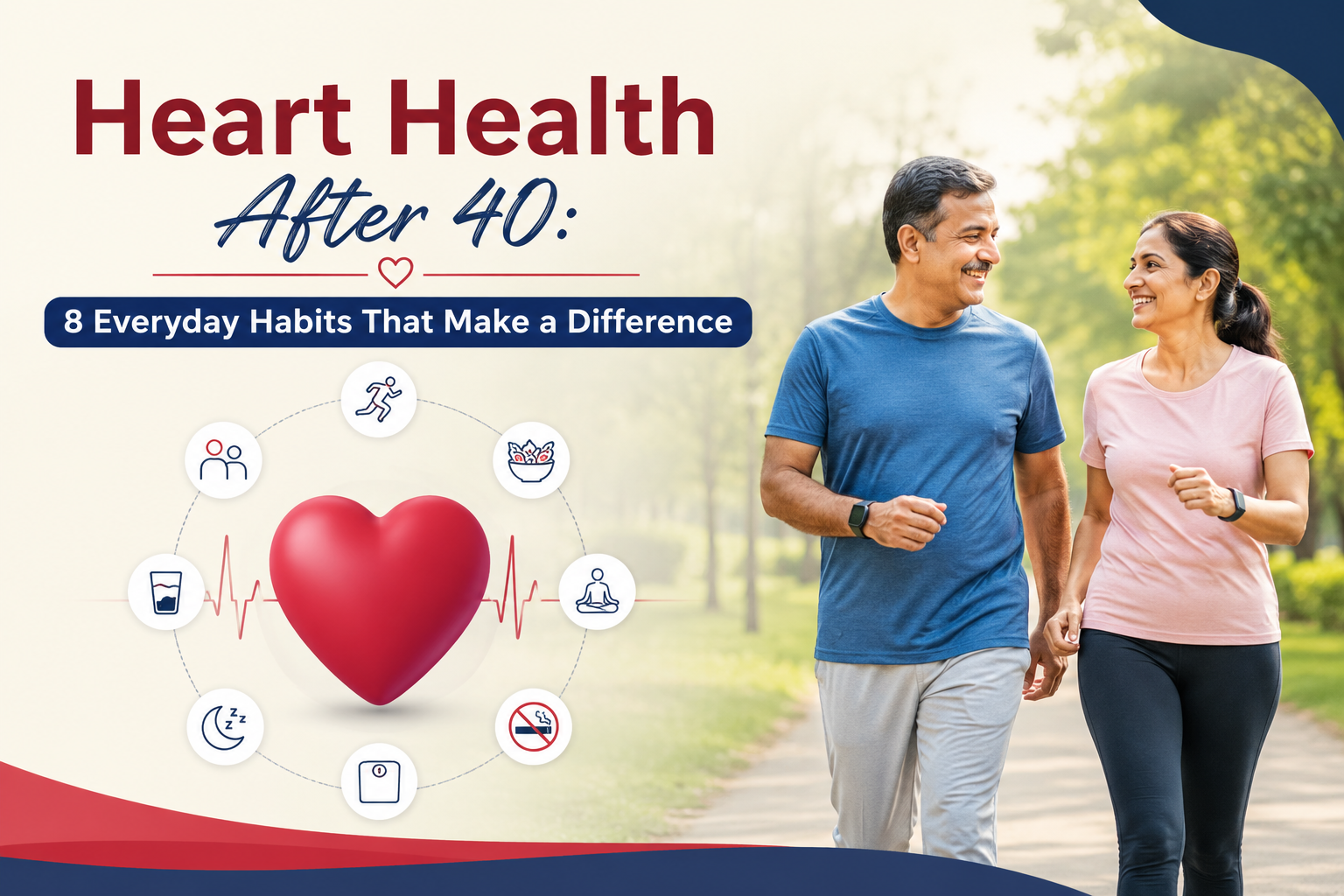
In this blog, we explore eight practical habits that can help you protect your heart after 40 and build healthier routines for the years ahead.
Turning 40 is a suitable time to pay closer attention to your heart. As we age, factors such as high blood pressure, high cholesterol, stress, weight gain and reduced physical activity can gradually affect heart health. However, getting older does not mean heart problems are inevitable. The everyday choices you make can have a meaningful impact on how well your heart stays healthy.
You do not need to make drastic lifestyle changes overnight. Simple, consistent habits can support your heart and lower your risk of cardiovascular disease. Eating a balanced diet, staying physically active, managing stress, sleeping well, and avoiding tobacco are some of the steps that can make a difference. Regular health checks are equally important because they can help identify risk factors early.
In this blog, we explore eight practical habits that can help you protect your heart after 40 and build healthier routines for the years ahead.
Eat a Heart-Healthy Diet
A heart-healthy diet is one of the most important habits after 40. Include plenty of vegetables, fruits, whole grains, pulses, nuts, and seeds in your daily meals. Choose lean sources of protein such as fish, eggs, beans, and low-fat dairy. Foods rich in fibre can help support healthy cholesterol levels, while fruits and vegetables provide essential vitamins, minerals, and antioxidants. Try to limit processed foods, fried foods, and foods high in saturated and trans fats.
It is also important to watch your salt and added sugar intake. Too much salt can contribute to high blood pressure, while excess sugar can contribute to weight gain and other heart health risks. Instead of making sudden, restrictive changes, focus on small, sustainable improvements. A balanced diet can help support healthy cholesterol, blood pressure, and body weight.
Stay Physically Active
Regular physical activity can help keep your heart strong after 40. Aim for at least 150 minutes of moderate-intensity physical activity each week, such as brisk walking, cycling, swimming, or dancing, unless your doctor recommends otherwise. You can divide this into manageable sessions throughout the week. Even short periods of movement are better than spending most of the day sitting.
Exercise can support healthy blood pressure, cholesterol, and body weight. It can also improve circulation, energy levels, and overall fitness. If you have been inactive for a long time, start slowly and increase your activity gradually.
Adding more movement to everyday life—such as taking the stairs, walking short distances, or taking regular breaks from sitting—can also contribute to better heart health.
Keep Your Blood Pressure and Cholesterol in Check
High blood pressure and high cholesterol can develop without obvious symptoms, making regular health checks particularly important after 40. Uncontrolled high blood pressure can put extra strain on the heart and blood vessels. Similarly, elevated levels of LDL, often called “bad” cholesterol, can contribute to plaque buildup in the arteries. Regular screening can help identify these risk factors early.
Do not ignore abnormal readings or stop prescribed medicines without speaking to your doctor. Along with medication when needed, healthy eating, regular exercise, maintaining a healthy weight and avoiding tobacco can support better heart health. Knowing your blood pressure and cholesterol numbers gives you a clearer picture of your cardiovascular health and helps you take timely steps to reduce your risk of heart disease.
Maintain a Healthy Weight
Maintaining a healthy weight can reduce several risk factors linked to heart disease. Excess body weight can increase the likelihood of developing conditions such as high blood pressure, high cholesterol, and type 2 diabetes. After 40, changes in metabolism and activity levels can make weight management more challenging, so focusing on sustainable habits is more useful than following extreme diets.
Build your routine around balanced meals, regular physical activity, adequate sleep, and sensible portions. You do not need to pursue rapid weight loss to support your heart. Even modest improvements in weight, when appropriate, can benefit cardiovascular health. If you are concerned about your weight or have difficulty managing it, speak with a doctor for personalised guidance based on your age, health history, and lifestyle.
Quit Smoking and Avoid Tobacco
If you smoke, quitting is one of the most important things you can do for your heart after 40. Smoking damages blood vessels, reduces oxygen supply and increases the risk of heart disease and stroke. Exposure to second-hand smoke can also affect cardiovascular health. The good news is that quitting benefits your health at any age, and the sooner you stop, the better.
Avoiding tobacco in all forms is an important part of heart disease prevention. If you find it difficult to quit, do not hesitate to seek professional support.
Doctors can recommend suitable cessation strategies and resources. Avoiding tobacco can also improve lung health, circulation, and overall wellbeing. Making your home and surroundings smoke-free can further support your efforts to protect your heart.
Manage Stress Effectively
Long-term stress can affect your overall health and may contribute to behaviours that increase heart disease risk, such as overeating, physical inactivity, poor sleep, or smoking. After 40, balancing work, family and personal responsibilities can make stress management especially important. Finding healthy ways to cope with everyday pressure can support both emotional wellbeing and heart health.
Try simple techniques that fit naturally into your routine. Walking, deep breathing, meditation, yoga, reading, listening to music, or spending time with people you trust can help you relax. You do not need to eliminate every source of stress. Instead, focus on managing it in healthier ways. If stress feels overwhelming or persistent, consider talking to a doctor who can guide you towards appropriate support.
Get Enough Quality Sleep
Good sleep is an important part of maintaining heart health after 40. Most adults need at least seven hours of sleep each night. Poor or insufficient sleep may affect blood pressure, weight, blood sugar, and other factors linked to cardiovascular health. A consistent sleep routine can therefore be an important part of a healthy lifestyle.
Try going to bed and waking up at similar times each day. Keep your bedroom comfortable, reduce screen use before bedtime, and avoid heavy meals or caffeine close to bedtime. If you regularly snore loudly, wake up gasping or feel excessively tired during the day despite getting enough sleep, speak with a doctor. Identifying and addressing sleep problems can support better overall and cardiovascular health.
Schedule Regular Heart Health Check-Ups
Regular health check-ups become increasingly valuable after 40. Heart disease risk can be influenced by factors such as age, family history, blood pressure, cholesterol, blood sugar, weight, smoking, and lifestyle. Routine screenings can help identify problems before they cause noticeable symptoms. Your doctor can also help determine which tests and how often they are appropriate for you.
Do not wait for symptoms before paying attention to your heart. Discuss your personal risk factors and family medical history with your doctor. Depending on your individual health profile, your doctor may recommend monitoring blood pressure, cholesterol, and blood sugar. Regular check-ups, combined with healthy daily habits, can help you take proactive steps towards better cardiovascular health and reduce your risk of heart-related complications.
Small Changes, Stronger Heart
Taking care of your heart after 40 does not have to mean making major lifestyle changes. Simple habits such as eating a balanced diet, staying physically active, maintaining a healthy weight, managing stress, getting enough sleep, and avoiding tobacco can support better heart health. Regular blood pressure, cholesterol, and health checks can also help identify potential risks early.
Remember, heart health is built through consistent choices made every day. Start with one or two habits and gradually make healthier choices part of your routine. If you have existing health conditions or concerns about your heart disease risk, speak with your doctor for personalised advice. A healthier heart today can support a healthier, more active future.