+91 44 66 300 300


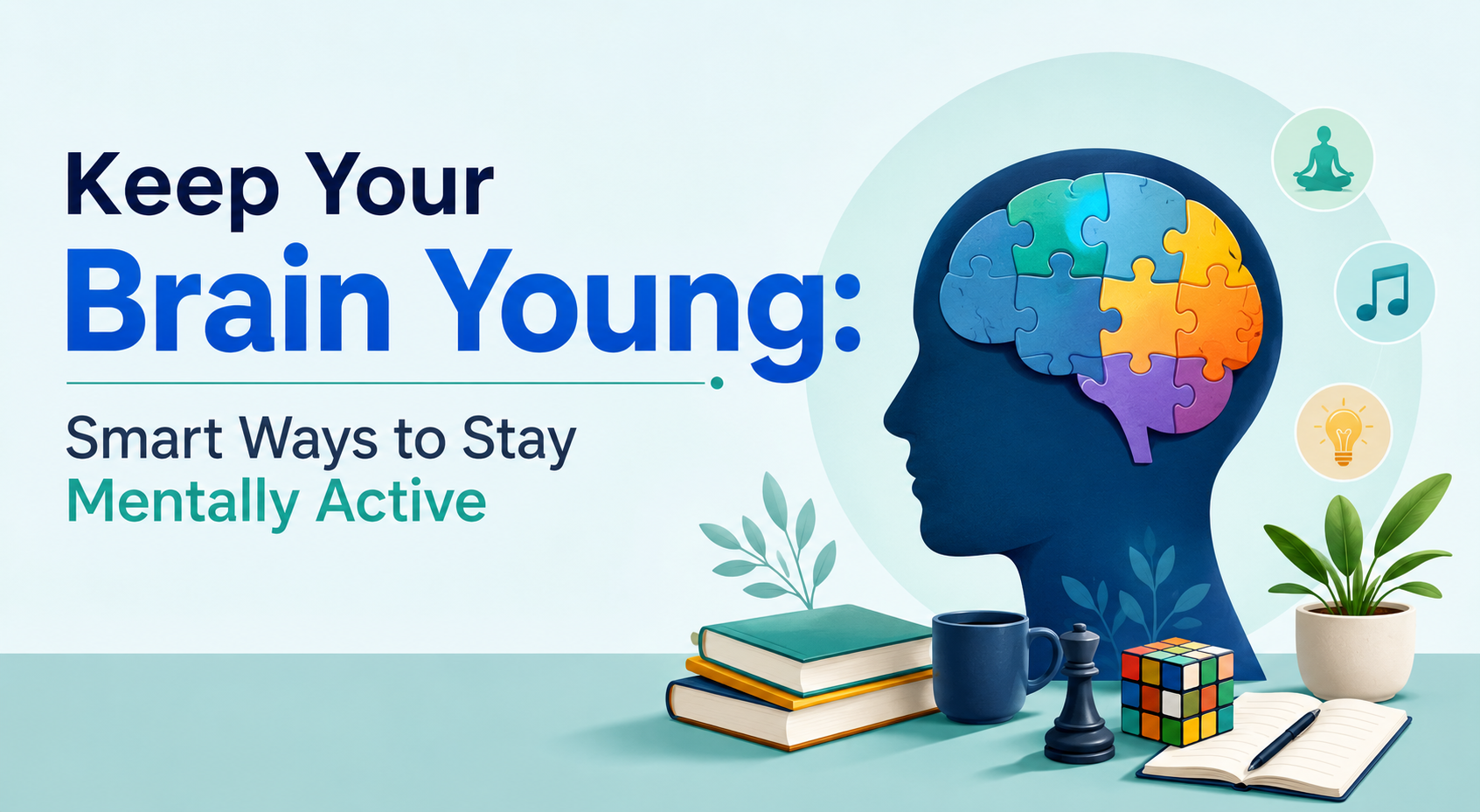
Simple daily habits like regular exercise, brain games, social interaction, healthy eating, and quality sleep can support better brain function and memory.
Alzheimer’s disease is one of the most common causes of memory loss and cognitive decline, especially among older adults. While there is no guaranteed way to prevent it, research shows that keeping the brain active and healthy may help reduce the risk. Simple daily habits like regular exercise, brain games, social interaction, healthy eating, and quality sleep can support better brain function and memory. Staying mentally stimulated at every age helps strengthen cognitive abilities and improve overall well-being. In this blog, explore practical and effective ways to keep your brain active, boost mental sharpness, and support long-term brain health naturally.
Exercise Your Brain Daily
Solve Puzzles and Brain Games Regularly
Activities like crosswords, Sudoku, chess, memory games, and word puzzles help improve concentration, problem-solving skills, and memory retention. These mental exercises stimulate various parts of the brain and encourage cognitive flexibility. Regularly challenging the brain with games can strengthen neural connections and support long-term brain health. Brain-training activities are also known to help slow cognitive decline and may reduce the risk of memory-related conditions such as Alzheimer’s disease when practiced consistently as part of a healthy lifestyle.
Read Books, Articles, and Newspapers Daily
Reading is one of the best ways to keep the brain active and engaged. It improves vocabulary, comprehension, focus, and critical thinking while stimulating imagination and memory. Reading diverse types of content, including fiction, non-fiction, and educational material, exposes the brain to latest ideas and information. This continuous mental stimulation helps strengthen cognitive function and supports healthy aging. Developing a daily reading habit can improve mental sharpness and may contribute to lowering the risk of dementia and Alzheimer’s disease over time.
Learn a New Skill or Hobby
Learning something new, such as painting, cooking, knitting, photography, or playing a musical instrument, keeps the brain challenged and adaptable. New skills encourage the brain to form fresh neural pathways, improving memory, concentration, and creativity. Engaging in hobbies also reduces stress and promotes emotional well-being, which is important for overall cognitive health. Studies suggest that lifelong learning can improve brain resilience and help delay cognitive decline, making hobbies an effective and enjoyable way to support long-term brain function.
Practice Memory Improvement Activities
Simple activities like memorizing shopping lists, recalling phone numbers, or learning poems and quotes can strengthen memory and attention span. Memory exercises encourage the brain to process and retain information more efficiently. Repetition and recall techniques help improve cognitive performance and mental agility. These activities are especially useful for older adults looking to maintain brain health and reduce forgetfulness. Incorporating memory training into daily routines may help enhance focus, support healthy brain aging, and lower the risk of Alzheimer’s-related memory problems.
Engage in Meaningful Conversations
Talking with friends, family members, or colleagues’ keeps the brain socially and mentally active. Conversations require listening, processing information, recalling details, and responding thoughtfully, all of which stimulate cognitive function. Social interaction also reduces feelings of loneliness and stress, both of which can negatively affect brain health. Participating in discussions, storytelling, or group activities helps improve communication skills and emotional well-being. Maintaining strong social connections is linked to better memory, sharper thinking, and a lower risk of cognitive decline and Alzheimer’s disease.
Try Learning a New Language
Learning a new language challenges the brain to recognize unfamiliar words, sounds, and grammar patterns, improving memory and concentration. Bilingual or multilingual activities strengthen problem-solving skills and cognitive flexibility while enhancing the brain’s ability to switch between tasks. Language learning also stimulates areas of the brain associated with memory and decision-making. Studies suggest that people who actively learn languages may experience slower cognitive aging. Even practicing a few novel words daily can provide valuable mental stimulation and support better long-term brain health.
Stay Physically Active for Better Brain Health
Regular physical activity does more than strengthen muscles and improve fitness—it also plays a significant role in maintaining brain health. Exercise increases blood flow to the brain, delivering oxygen and essential nutrients that support healthy brain function. This improved circulation helps nourish brain cells, enhance concentration, and support memory. Studies have shown that people who stay physically active are less likely to experience cognitive decline and memory-related conditions such as Alzheimer’s disease. Even simple activities like walking, stretching, or light aerobic exercise can positively impact mental sharpness and emotional well-being.
Exercise also encourages the release of chemicals in the brain that support the growth and survival of brain cells. Physical activity can improve mood, reduce stress, and lower the risk of anxiety and depression, all of which are linked to better cognitive health. Activities such as yoga, dancing, swimming, and cycling not only keep the body active but also challenge coordination, balance, and focus, giving the brain additional stimulation. Maintaining an active lifestyle can therefore strengthen both physical and mental resilience as people age.
Experts recommend at least 30 minutes of moderate exercise most days of the week for better brain function and overall health. Staying active consistently is one of the simplest and most effective ways to support long-term cognitive wellness naturally.
Eat Foods That Fuel the Brain
Eat More Fresh Fruits for Brain Protection
Fruits rich in antioxidants, such as berries, oranges, apples, and grapes, help protect brain cells from damage caused by oxidative stress. Antioxidants support memory, concentration, and overall cognitive function while reducing inflammation linked to brain aging. Blueberries, in particular, are known for their brain-boosting properties and may help improve communication between brain cells. Including a variety of colorful fruits in your daily diet provides essential vitamins and nutrients that support healthy brain function and may help reduce the risk of Alzheimer’s disease and cognitive decline.
Include Green Leafy Vegetables Daily
Vegetables like spinach, broccoli, kale, and lettuce contain vitamins, minerals, and antioxidants that support brain health and mental sharpness. Leafy greens are rich in vitamin K, folate, and beta carotene, nutrients associated with slower cognitive decline and improved memory. Regular consumption of vegetables also helps reduce inflammation and supports healthy blood circulation to the brain. Eating a balanced diet filled with fresh vegetables can improve focus, concentration, and long-term cognitive performance while lowering the risk of age-related memory disorders such as dementia and Alzheimer’s disease.
Snack on Nuts and Seeds for Better Memory
Nuts and seeds are excellent sources of healthy fats, vitamin E, protein, and antioxidants that nourish the brain. Almonds, walnuts, flaxseeds, sunflower seeds, and pumpkin seeds are especially beneficial for improving memory and concentration. Walnuts are rich in omega-3 fatty acids, which support brain cell communication and cognitive function. Regularly eating nuts in moderation may help protect against cognitive decline and improve mental performance. Adding a handful of nuts or seeds to your daily diet is a simple and effective way to support long-term brain health naturally.
Add Omega-3 Rich Foods to Your Diet
Omega-3 fatty acids are essential for maintaining healthy brain cells and improving communication between neurons. Fatty fish such as salmon, sardines, and mackerel are among the best sources of omega-3s. Vegetarian options include chia seeds, flaxseeds, and walnuts. These healthy fats may help improve memory, focus, and learning ability while reducing inflammation linked to cognitive decline. Research suggests that omega-3-rich diets can support brain function and may lower the risk of Alzheimer’s disease. Including omega-3 foods regularly promotes both heart health and long-term cognitive wellness.
Stay Hydrated to Keep the Brain Sharp
Proper hydration is essential for maintaining concentration, alertness, and memory. The brain depends on adequate water intake to function efficiently, and even mild dehydration can affect mood, focus, and cognitive performance. Drinking enough water throughout the day helps maintain healthy blood flow and supports the delivery of oxygen and nutrients to brain cells. Herbal drinks, coconut water, and water-rich fruits can also contribute to hydration. Developing healthy hydration habits is a simple but major step in supporting brain health, improving mental clarity, and reducing fatigue and forgetfulness.
Why Social Connections Matter
Maintaining strong social connections is an important part of protecting brain health and supporting emotional well-being. Regular conversations with friends, family members, neighbors, or colleagues help keep the brain active by encouraging listening, thinking, memory recall, and communication. Social interaction stimulates different areas of the brain and helps improve concentration, problem-solving, and language skills. Studies suggest that people who stay socially engaged are less likely to experience memory loss, cognitive decline, and conditions such as Alzheimer’s disease. Meaningful relationships also help reduce loneliness and isolation, which can negatively affect mental and emotional health.
Participating in group activities such as community programs, hobby classes, book clubs, volunteering, or fitness groups provides both mental stimulation and emotional support. These activities encourage people to learn new things, share ideas, and stay mentally alert. Social engagement can also reduce stress, anxiety, and depression, all of which are linked to poorer cognitive function. Laughing, sharing experiences, and spending quality time with others can positively influence mood and improve overall brain performance.
Even simple daily interactions can make a difference in maintaining mental sharpness and healthy cognitive function. Staying connected with others through conversations, social gatherings, and shared activities is a natural and effective way to support memory, improve emotional wellness, and promote healthy brain aging over time.
The Role of Sleep and Stress Management
Quality sleep is essential for maintaining healthy brain function and supporting memory, concentration, and emotional balance. During sleep, the brain processes information, stores memories, and removes harmful waste products that may contribute to cognitive decline. Poor sleep habits or chronic sleep deprivation can affect focus, decision-making, and learning ability. Research also suggests that inadequate sleep may increase the risk of Alzheimer’s disease and other memory-related conditions over time. Establishing a healthy sleep routine is therefore a major step in protecting long-term brain health.
Adults should aim for seven to eight hours of uninterrupted sleep each night to support optimal cognitive performance. Creating a relaxing bedtime routine, limiting screen time before sleep, and maintaining consistent sleep schedules can improve sleep quality naturally. Comfortable sleeping environments and reduced caffeine intake before bedtime may also help promote restful sleep and mental recovery.
Stress management is equally important for protecting the brain. Long-term stress can increase inflammation and release hormones that negatively affect memory, concentration, and emotional well-being. Chronic stress may also contribute to anxiety, depression, and cognitive decline if left unmanaged. Finding healthy ways to relax can therefore improve both mental and physical health.
Activities such as meditation, deep breathing exercises, yoga, listening to music, gardening, or spending time in nature can help reduce stress levels and calm the mind. Managing stress effectively and prioritizing quality sleep can support better memory, mental sharpness, emotional balance, and overall brain wellness as people age.
Keep Learning at Every Age
Continuously learning new things is one of the best ways to keep the brain active and healthy. The brain thrives on challenges, and engaging in new experiences helps strengthen neural connections and improve cognitive function. Whether it is learning a new language, trying a creative hobby, or developing a practical skill, lifelong learning keeps the mind stimulated and adaptable. Studies suggest that mentally active individuals may have a lower risk of cognitive decline and memory-related conditions such as Alzheimer’s disease. Keeping the brain engaged through learning can therefore support long-term mental sharpness and emotional well-being.
Creative hobbies such as painting, writing, knitting, photography, gardening, or cooking encourage problem-solving, concentration, and imagination. These activities stimulate distinct parts of the brain while also reducing stress and improving mood. Music-related activities, including learning an instrument or singing, are also known to improve memory, coordination, and focus. Creative engagement provides both mental stimulation and emotional satisfaction, making it beneficial for overall brain health.
Learning a new language is another excellent way to strengthen cognitive abilities. Language learning challenges memory, attention span, and communication skills while improving the brain’s flexibility and ability to process information. Even practicing a few unfamiliar words regularly can positively impact mental agility and concentration.
Staying curious and open to learning at every stage of life helps build cognitive resilience and supports healthy aging. Exploring hobbies, education, and creative interests can improve confidence, boost brain function, and promote better memory and mental clarity over time.
Keep Your Mind Strong for the Future
Protecting brain health starts with simple daily habits that keep the mind active, engaged, and healthy. Regular exercise, nutritious foods, quality sleep, stress management, social interaction, and lifelong learning all play a key role in supporting memory and reducing the risk of cognitive decline. While Alzheimer’s disease may not always be preventable, maintaining a healthy lifestyle can strengthen cognitive resilience and improve overall well-being. Staying mentally and physically active at every age helps promote sharper thinking, better focus, and emotional balance. Small consistent efforts today can support long-term brain health and a healthier, more active future.

Consultant Neurologist
MBBS, MD (GENERAL MEDICINE), DM (NEUROLOGY), Ph.D