+91 44 66 300 300



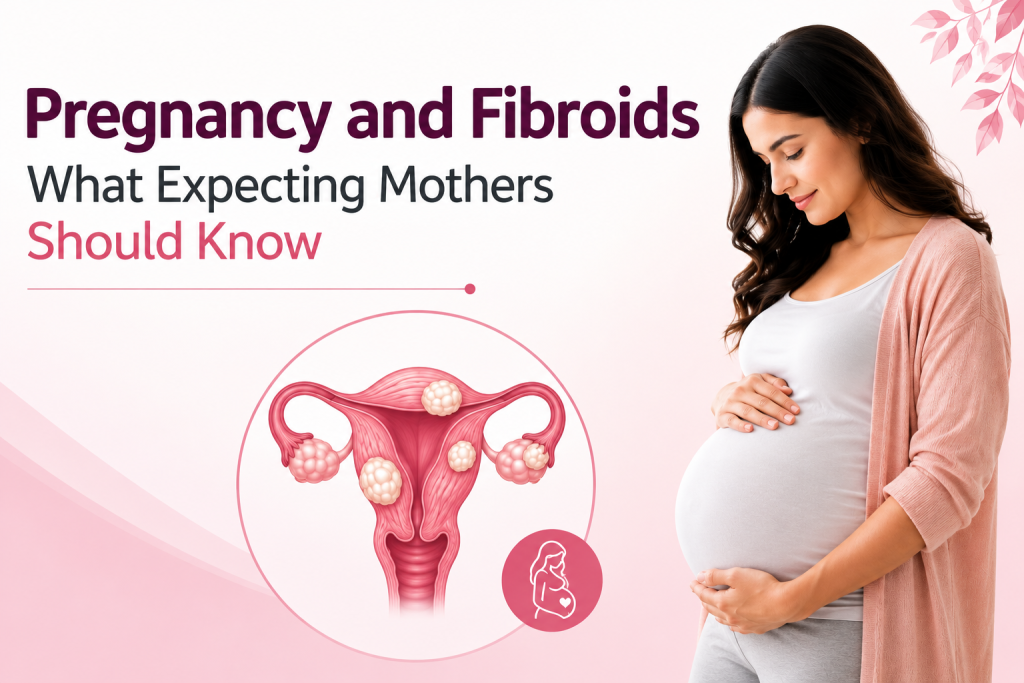
Although many women with fibroids have healthy pregnancies, certain fibroids can affect fertility by altering the shape of the uterus or blocking the fallopian tubes.
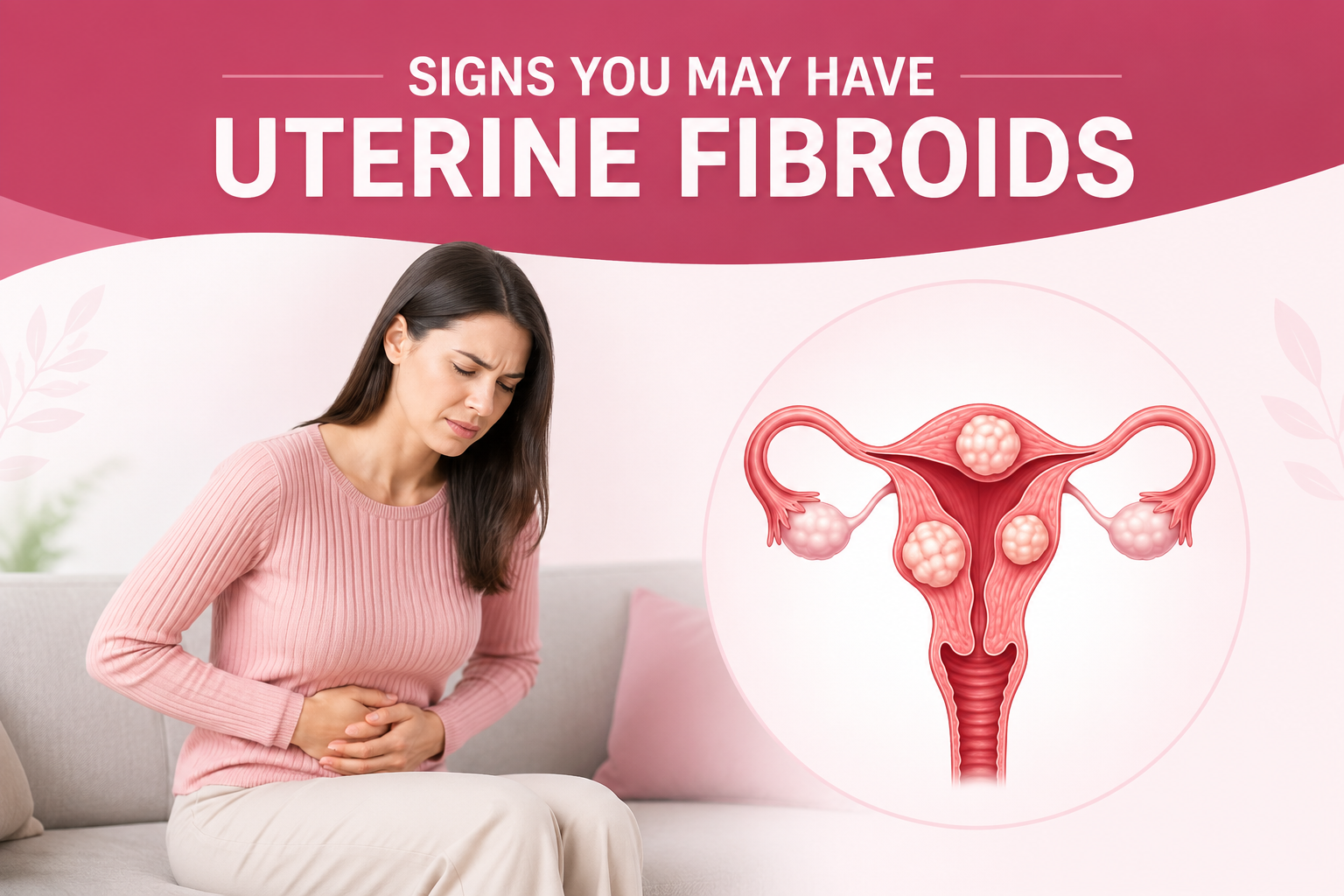
Uterine fibroids are non-cancerous growths that develop in or around the uterus and are among the most common gynecological conditions affecting women during their reproductive years. While some fibroids remain small and cause no symptoms, others can lead to a range of health concerns that affect daily life, fertility, and overall well-being. Recognizing the early signs of uterine fibroids is important for timely diagnosis and appropriate treatment.
Many women may mistake fibroid symptoms for normal menstrual changes and delay seeking medical attention. Symptoms can vary depending on the size, number, and location of the fibroids. From heavy menstrual bleeding and pelvic pain to frequent urination and fertility challenges, understanding the warning signs can help women take proactive steps toward better reproductive health. Here are 10 common signs that may indicate the presence of uterine fibroids.
One of the most common symptoms of uterine fibroids is unusually heavy menstrual bleeding. Women may experience prolonged periods, pass large blood clots, or need to change sanitary products frequently. Excessive bleeding can interfere with daily activities and may lead to iron-deficiency anemia over time. If your periods have become significantly heavier than usual, uterine fibroids could be a possible cause and should be evaluated by a gynecologist.
Fibroids can cause menstrual cycles that last longer than normal, sometimes extending beyond seven days. Prolonged bleeding can be physically exhausting and may affect a woman’s quality of life. Larger fibroids can interfere with the uterus’s ability to contract properly, leading to extended periods. Persistent changes in menstrual duration should not be ignored, as they may indicate underlying uterine fibroids requiring medical attention.
As fibroids grow, they can create a feeling of pressure or discomfort in the pelvic region. Some women experience dull aches, cramping, or a sensation of heaviness in the lower abdomen. Pelvic pressure may worsen during menstruation or physical activity. Depending on their size and location, uterine fibroids can place pressure on nearby structures, causing ongoing discomfort that warrants a medical evaluation.
Fibroids located near the bladder can increase pressure on it, reducing its capacity to hold urine. This may result in frequent urination, a constant urge to urinate, or difficulty completely emptying the bladder. Women may find themselves waking up multiple times during the night to use the restroom. Persistent urinary symptoms without an infection may be linked to growing uterine fibroids.
Large uterine fibroids can press against the rectum and lower bowel, making bowel movements more difficult. This pressure may lead to constipation, bloating, or a feeling of incomplete evacuation. Women experiencing unexplained digestive discomfort alongside other gynecological symptoms should consider fibroids as a possible cause. Proper diagnosis can help determine whether fibroid treatment may relieve these bowel-related symptoms.
Depending on their location, fibroids can compress nerves and surrounding tissues, causing pain that radiates to the lower back, hips, or legs. This discomfort may be persistent or worsen during prolonged standing or physical activity. While back pain has many probable causes, recurring pain accompanied by menstrual irregularities or pelvic symptoms may indicate the presence of uterine fibroids.
Some women with uterine fibroids experience discomfort or pain during sexual intercourse. Fibroids located near the cervix or within the uterine wall can make certain positions uncomfortable and may contribute to pelvic tenderness. Pain during intercourse should not be considered normal, especially when it occurs repeatedly. Consulting a doctor can help identify whether fibroids are responsible for the symptoms.
Large fibroids can cause the abdomen to appear swollen or enlarged, sometimes resembling weight gain or pregnancy. Women may notice that their clothes fit more tightly around the waist despite no significant changes in body weight. This abdominal enlargement occurs as fibroids increase in size. Persistent bloating or a noticeable abdominal mass should be assessed by a healthcare professional.
Chronic heavy menstrual bleeding caused by fibroids can lead to iron-deficiency anemia, which often results in fatigue, weakness, dizziness, and reduced energy levels. Women may feel unusually tired even after adequate rest. When fatigue is accompanied by heavy periods or other fibroid symptoms, it is important to seek medical evaluation. Treating the underlying fibroids can help improve overall energy and health.
Although many women with fibroids have healthy pregnancies, certain fibroids can affect fertility by altering the shape of the uterus or blocking the fallopian tubes. Fibroids may also increase the risk of miscarriage, preterm labor, or other pregnancy-related complications. Women who are struggling to conceive or experiencing recurrent pregnancy issues should discuss the possibility of uterine fibroids with their doctor.
When Should You See a doctor?
It is important to consult a doctor if you experience symptoms such as heavy menstrual bleeding, prolonged periods, persistent pelvic pain, frequent urination, unexplained fatigue, or noticeable abdominal swelling. While uterine fibroids are usually non-cancerous, untreated fibroids can affect your quality of life and may lead to complications such as anemia, fertility challenges, or pregnancy-related concerns. Early diagnosis allows for timely monitoring and access to appropriate uterine fibroid treatment options. If your symptoms are worsening, interfering with daily activities, or causing significant discomfort, schedule an appointment with a gynecologist for a thorough evaluation and personalized care plan.
Take Charge of Your Reproductive Health
Uterine fibroids are a common condition, but their symptoms should never be overlooked. Recognizing the early signs of uterine fibroids—such as heavy menstrual bleeding, pelvic pressure, frequent urination, and persistent fatigue—can help you seek timely medical care and prevent potential complications. The good news is that a wide range of effective uterine fibroid treatment options is available, from regular monitoring to minimally invasive procedures and surgery when needed. If you are experiencing any of these symptoms, consult a gynecologist for an accurate diagnosis and personalized treatment plan. Early intervention can help improve your comfort, health, fertility, and overall quality of life.