+91 44 66 300 300

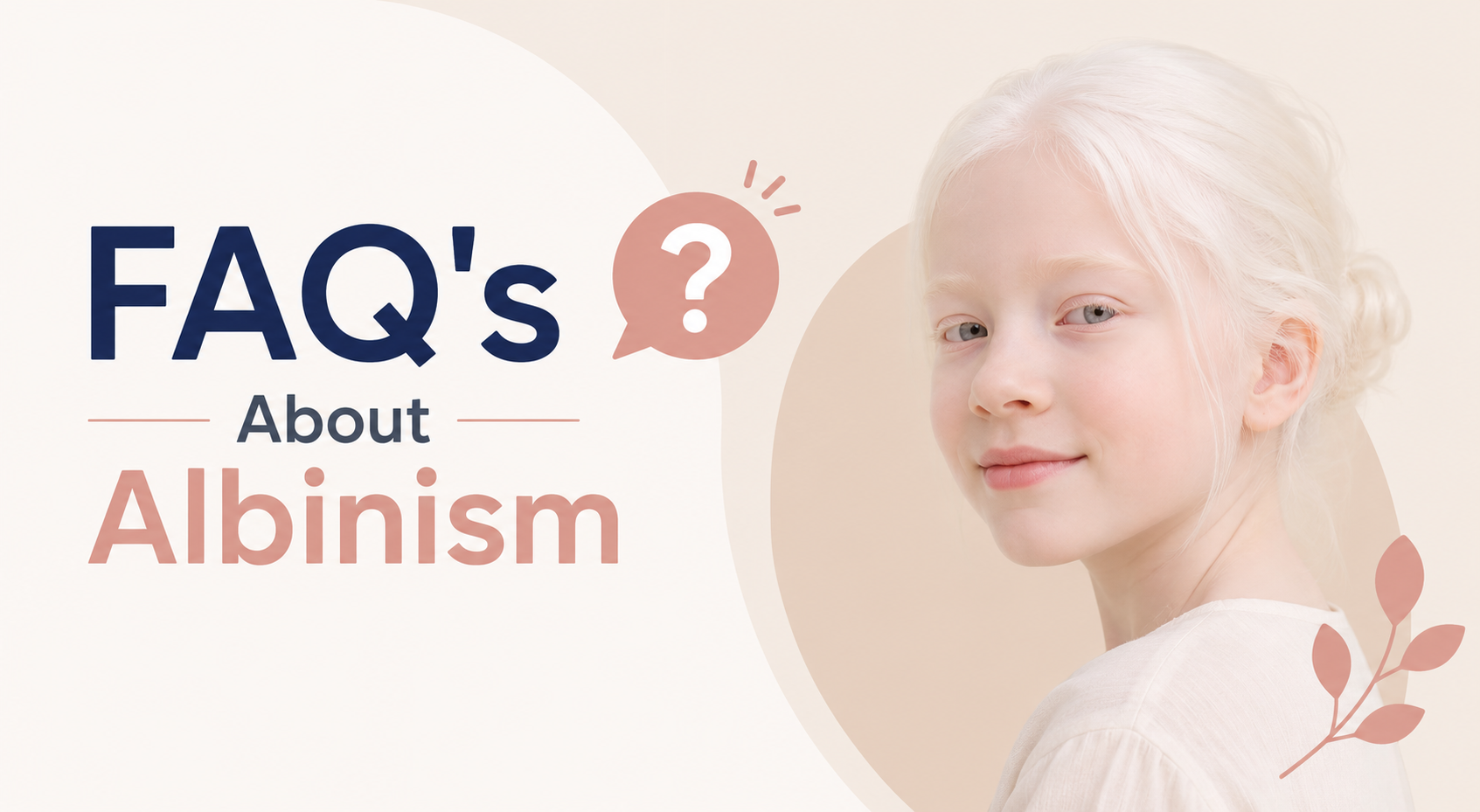
People with albinism may have vision problems and increased sensitivity to sunlight, but they can lead healthy and fulfilling lives with proper care and support.
P eople with albinism may have vision problems and increased sensitivity to sunlight, but they can lead healthy and fulfilling lives with proper care and support.
Albinism is a rare genetic condition that affects the body’s ability to produce melanin, the pigment responsible for the colour of the skin, hair, and eyes. People with albinism may have vision problems and increased sensitivity to sunlight, but they can lead healthy and fulfilling lives with proper care and support. Despite growing awareness, many misconceptions still surround this condition. This blog answers common questions about albinism, including causes, symptoms, diagnosis, treatment options, eye health concerns, and ways to support people living with albinism.
What is albinism?
Albinism is an inherited genetic condition that reduces or completely prevents the production of melanin in the body. Melanin is the pigment that gives colour to the skin, hair, and eyes. People with albinism often have lighter skin, hair, and eye colour than their family members. The condition can also affect vision because melanin plays an important role in eye development. Albinism is present from birth and occurs in people of all ethnic backgrounds. It is not contagious and does not affect intelligence. The severity of symptoms can vary depending on the type of albinism a person has.
What causes albinism?
Albinism is caused by inherited genetic mutations that affect melanin production. These mutations are passed down from parents to children through genes involved in pigment formation. Most forms of albinism occur when a child inherits altered genes from both parents, even if the parents do not have visible signs of the condition. The affected genes disrupt the production, transport, or storage of melanin in the body. Reduced pigment production leads to changes in skin, hair, and eye colour. Since albinism is genetic, lifestyle choices, diet, or environmental exposure do not cause the condition.
What are the main symptoms of albinism?
Symptoms of albinism usually involve skin, hair, eyes, and vision. Many individuals have very light skin and hair, although pigment levels can vary. Eye-related symptoms are often the most significant and may include blurred vision, sensitivity to bright light, involuntary eye movements, reduced visual sharpness, and difficulty focusing. Some people may also develop crossed eyes or depth perception problems. Skin sensitivity to sunlight increases the risk of sunburn and long-term skin damage. Symptoms differ from person to person depending on the type and severity of the condition.
Are there different types of albinism?
Yes, albinism exists in several forms. The most common type is oculocutaneous albinism (OCA), which affects the skin, hair, and eyes. Multiple subtypes of OCA exist depending on the genetic mutation involved. Ocular albinism mainly affects the eyes and vision while skin and hair colour changes may be less noticeable. Another rare form is Hermansky-Pudlak syndrome, which includes bleeding disorders and lung or bowel complications. Chediak-Higashi syndrome is another uncommon type linked to immune system problems. Identifying the specific type helps guide medical care and long-term management.
Is albinism inherited?
Yes, albinism is a genetic condition passed from parents to children. Most types follow an autosomal recessive inheritance pattern, meaning a child must inherit altered genes from both parents to develop the condition. Parents who carry the gene may not show symptoms themselves. If both parents carry gene mutation, each pregnancy carries a chance of having a child with albinism. Some forms, like ocular albinism, may follow different inheritance patterns linked to sex chromosomes. Genetic counselling can help families understand inheritance risks and future family planning options.
Can albinism affect eyesight?
Vision problems are among the most common features of albinism. Melanin is important for normal eye development, so reduced pigment production can interfere with visual function. People with albinism may experience blurred vision, nearsightedness, farsightedness, astigmatism, involuntary eye movements called nystagmus, or increased light sensitivity. Some individuals have difficulty tracking moving objects or judging distances accurately. Vision challenges vary in severity and often remain stable over time. Corrective glasses, low vision aids, regular eye check-ups, and visual support strategies can significantly improve quality of life.
Does albinism increase skin cancer risk?
Yes, people with albinism face a higher risk of sun damage and skin cancer because melanin normally helps protect the skin from harmful ultraviolet rays. Reduced pigment means the skin burns more easily after sun exposure. Frequent sunburns and prolonged ultraviolet exposure can increase the risk of developing skin cancers over time. Preventive measures are essential and include using broad-spectrum sunscreen, wearing protective clothing, sunglasses, and wide-brimmed hats. Avoiding intense sunlight during peak hours also helps reduce risks. Regular skin examinations are important for early detection.
How is albinism diagnosed?
Doctors usually diagnose albinism based on physical signs, eye examinations, family history, and genetic testing. A doctor may observe lighter skin, hair, or eye colour alongside vision concerns. Comprehensive eye examinations help identify visual abnormalities commonly associated with the condition. Genetic testing can confirm the diagnosis and identify the specific gene mutation involved. Early diagnosis allows individuals to receive vision support, skin protection guidance, and medical monitoring when needed. Prenatal genetic testing may sometimes identify albinism before birth if there is a known family history.
Can albinism be cured?
Currently, there is no cure for albinism because it is a genetic condition. Treatment focuses on managing symptoms and preventing complications. Vision support through glasses, low vision devices, and specialized educational resources can help individuals adapt to visual challenges. Skin protection remains an important part of long-term care to reduce sun-related damage. Regular medical monitoring can help identify complications early. Researchers continue studying genetic therapies and potential future treatments, but current care focuses on improving quality of life. Many individuals with albinism live active, healthy lives.
Can people with albinism live normal lives?
Yes, individuals with albinism can live healthy, productive, and fulfilling lives. While vision challenges and sun sensitivity may require adjustments, proper medical care and supportive environments make a significant difference. Educational accommodation, visual aids, sun protection measures, and regular health check-ups can improve daily functioning. Many people with albinism pursue careers, education, sports, and personal goals successfully. Social understanding and awareness are equally important because misconceptions can sometimes lead to discrimination or isolation. Encouraging inclusion helps individuals with albinism participate fully in society.
Is albinism considered a disability?
Albinism itself is not always considered a disability, but associated vision problems may qualify as visual impairment depending on severity. Some individuals require educational support, workplace accommodations, or assistive technologies to manage reduced vision. Disability classifications vary by country and local regulations. Many people with albinism function independently and do not identify as disabled, while others benefit from disability-related resources. Understanding each individual’s needs is important because experiences differ widely. Access to healthcare, visual support services, and inclusive environments can improve independence and overall well-being.
Can people with albinism drive?
Driving ability depends mainly on vision rather than diagnosis itself. Some individuals with albinism meet legal visual requirements for driving with corrective lenses or specialized aids. Others may not qualify if vision impairment affects safe driving ability. Laws vary by country regarding visual standards for obtaining a driver’s license. Eye specialists can assess visual function and recommend supportive technologies when appropriate. For individuals unable to drive, alternative transportation options help maintain independence. Regular vision assessments remain important to determine safe mobility choices throughout life.
How can parents support a child with albinism?
Parents play a vital role in helping children with albinism thrive. Early eye care, vision support, sun protection habits, and regular medical check-ups are essential. Encouraging self-confidence and addressing social challenges can also improve emotional well-being. Schools may provide educational accommodations like larger print materials or seating adjustments to support learning. Teaching children about sun safety from an early age builds lifelong healthy habits. Open communication and awareness help children understand their condition positively. Support groups and counselling services may also benefit families navigating challenges.
Are there myths and misconceptions about albinism?
Yes, many myths continue to surround albinism. Some people incorrectly believe albinism affects intelligence, spreads through contact, or only occurs in certain populations. These beliefs are false. Albinism is a genetic condition that can affect people of any ethnic background. Intelligence, personality, and abilities are unrelated to pigment levels. Social misconceptions sometimes contribute to stigma and discrimination, making awareness and education especially important. Accurate information encourages acceptance and inclusion. Promoting understanding helps create supportive environments where individuals with albinism can thrive without unnecessary social barriers.
When should someone with albinism see a doctor?
People with albinism benefit from regular medical care throughout life. Eye specialists should monitor vision changes, visual development, and eye health regularly. Dermatology evaluations help identify early signs of skin damage or skin cancer. Children may require additional developmental and educational support assessments. Any sudden vision changes, unusual skin growth, severe sunburns, or health concerns should be evaluated promptly. Early medical intervention often improves outcomes and quality of life. Consistent healthcare follow-up supports long-term health management and helps individuals maintain independence and well-being.
Albinism is a lifelong genetic condition that affects pigmentation and vision, but with early diagnosis, proper care, and awareness, individuals with albinism can lead healthy and meaningful lives. Improving understanding reduces stigma and encourages better support systems. By learning more about albinism symptoms, causes, treatment options, and daily management strategies, families and communities can create more inclusive and informed environments.

Consultant – DERMATOLOGY
MBBS, MS(General Surgery), M.Ch.(NeuroSurgery)