 +91 44 66 300 300



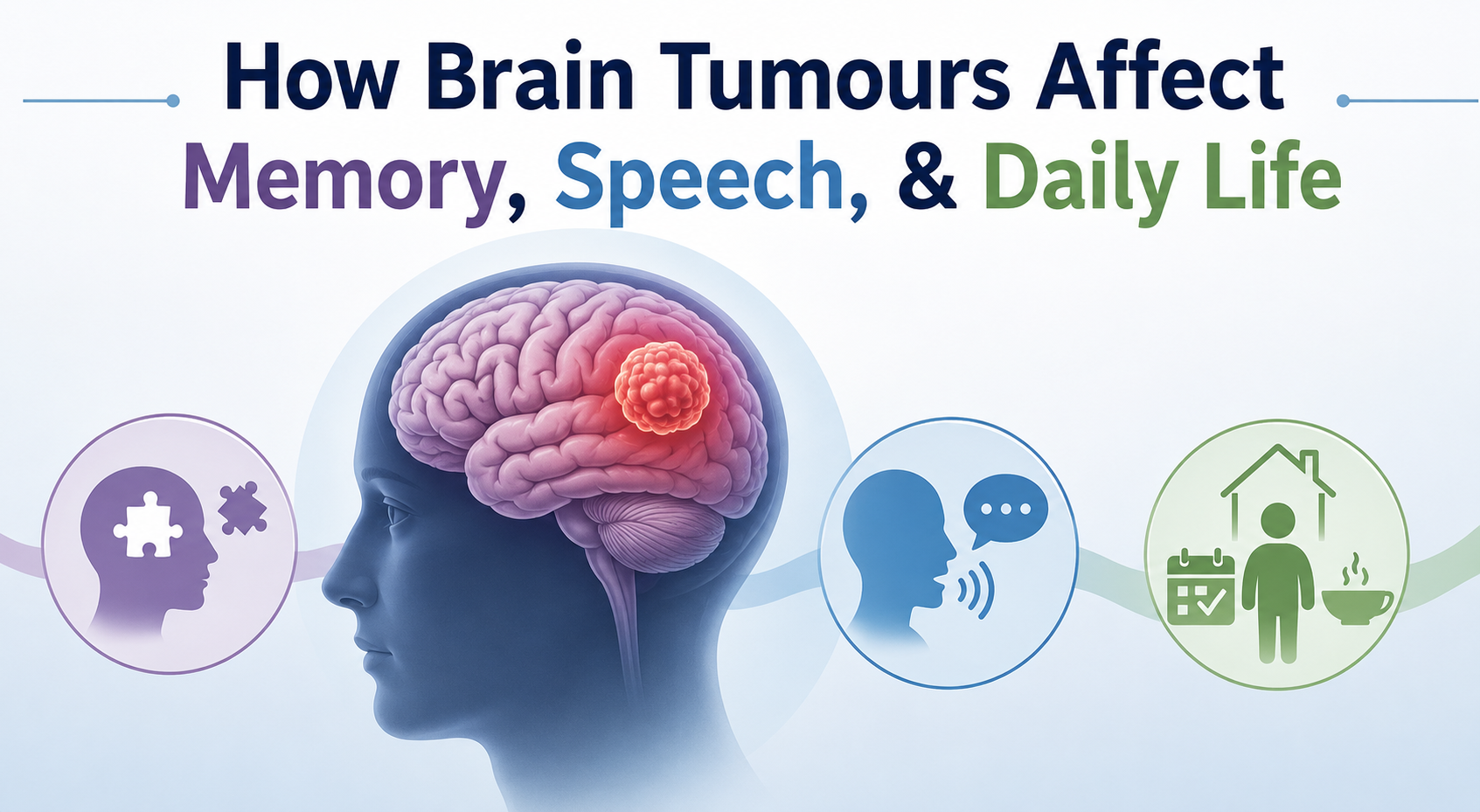
In this blog, we explore how brain tumours affect memory, speech, and daily functioning, along with the importance of diagnosis, treatment, and supportive care for improving quality of life.
In this blog, we explore how brain tumours affect memory, speech, and daily functioning, along with the importance of diagnosis, treatment, and supportive care for improving quality of life.
Brain tumours can affect much more than physical health — they may influence memory, speech, emotions, and the ability to perform everyday activities. Depending on the tumour’s size, type, and location in the brain, individuals may experience forgetfulness, communication difficulties, confusion, personality changes, or challenges with routine tasks. These symptoms can develop gradually and are sometimes mistaken for stress, ageing, or other health conditions. Understanding how brain tumours impact cognitive function and daily life is important for recognizing warning signs early and seeking timely medical care. In this blog, we explore how brain tumours affect memory, speech, and daily functioning, along with the importance of diagnosis, treatment, and supportive care for improving quality of life.
Why Brain Tumours Can Impact Thinking and Communication
Brain tumours can affect thinking, memory, speech, and communication because distinct parts of the brain control distinct functions. The brain is responsible for processing information, language, emotions, movement, and decision-making. When a brain tumour grows or puts pressure on nearby brain tissue, it can interfere with these functions. The impact often depends on the tumour’s size, type, growth rate, and most importantly, its location within the brain.
For example, a tumour affecting the frontal lobe may influence problem-solving abilities, behaviour, concentration, or decision-making. Tumours in areas linked to language can cause difficulty speaking, understanding words, reading, or expressing thoughts clearly. If regions involved in memory and learning are affected, individuals may experience forgetfulness, confusion, or trouble processing information.
Changes in thinking and communication caused by a brain tumour can sometimes develop gradually and may be mistaken for stress, ageing, or fatigue. Recognizing these symptoms early and seeking timely medical evaluation can support earlier diagnosis and better treatment outcomes.
Memory Changes Linked to Brain Tumours
Forgetfulness and Short-Term Memory Problems
Brain tumours can sometimes affect short-term memory, making it difficult to remember recent conversations, appointments, names, or daily tasks. People may frequently misplace items or struggle to retain latest information. Memory changes linked to a brain tumour often occur when areas responsible for learning and memory processing are affected. While occasional forgetfulness can happen to anyone, persistent or worsening memory problems should not be ignored, especially when accompanied by other neurological symptoms such as headaches, confusion, or speech difficulties.
Difficulty Concentrating and Staying Focused
A brain tumour may interfere with concentration, attention span, and mental clarity. Individuals might find it harder to focus on work, studies, conversations, or routine activities. Tasks that once felt simple may begin to feel mentally exhausting. Reduced concentration can occur when brain function is disrupted by tumour growth or increased pressure inside the skull. Difficulty focusing, combined with memory changes or confusion, can affect daily life and productivity, and may require medical evaluation for proper diagnosis.
Trouble Processing and Retaining Information
Some brain tumours can slow cognitive processing, making it harder to absorb, understand, or remember information. People may need extra time to follow instructions, learn new skills, or respond during conversations. This can create challenges at work, school, or home. Brain areas involved in cognitive processing and memory may become affected depending on tumour location. Persistent difficulties with understanding information or retaining knowledge should be assessed, particularly if symptoms continue to progress over time.
Confusion and Mental Fog
Brain tumours can sometimes contribute to confusion, disorientation, or what many people describe as “brain fog.” Individuals may feel mentally slower, struggle with decision-making, or find it difficult to organize thoughts clearly. Mental fog can interfere with everyday functioning and reduce independence. These changes may occur gradually and can sometimes be mistaken for stress, fatigue, or ageing. When confusion becomes frequent or worsens alongside headaches, memory issues, or behavioral changes, medical attention becomes especially important.
Challenges with Multitasking and Problem-Solving
Memory-related changes caused by brain tumours may also affect executive functioning skills such as planning, multitasking, reasoning, and problem-solving. Activities that require organizing information or managing several tasks at once may become more difficult. Individuals may feel overwhelmed by situations they previously managed easily. Tumours affecting brain regions involved in higher cognitive functions can contribute to these challenges. Recognizing these subtle but meaningful changes may help support earlier medical assessment and timely neurological care.
Speech and Language Difficulties to Watch For
Difficulty Finding the Right Words
Brain tumours can sometimes make it difficult to find the right words during conversations. A person may know what they want to say but struggle to express it clearly. Speech may become slower or interrupted by frequent pauses. When brain areas involved in language processing are affected, communication challenges can gradually appear and may worsen over time.
Slurred or Unclear Speech
Some brain tumours can affect muscles involved in speaking or interfere with brain signals needed for speech production. This may cause speech to sound slurred, unclear, or difficult to understand. Changes in speaking patterns that develop suddenly or progressively should not be ignored, especially if accompanied by headaches, weaknesses, or other neurological symptoms.
Difficulty Understanding Language
Brain tumours affecting language centers may make it harder to understand spoken conversations or written information. Individuals may need repeated instructions or struggle to follow discussions. Misunderstanding words or confusion during communication can impact work, school, and daily life. Persistent language comprehension problems may require medical evaluation and neurological assessment.
Problems Reading or Writing
Language-related difficulties linked to brain tumours can sometimes affect reading and writing abilities. People may struggle to recognize words, spell correctly, write sentences, or understand written content. These changes can develop gradually and may interfere with routine activities. Cognitive and language changes should be evaluated if they continue to worsen.
Trouble Following Conversations
Some individuals with brain tumours may find conversations harder to follow, especially in busy environments or group settings. Difficulty processing language, concentrating, or responding appropriately can affect communication and social interactions. If conversation challenges become persistent or occur alongside memory problems and confusion, medical attention may help identify underlying neurological causes.
How Brain Tumours Affect Everyday Activities
Brain tumours can affect everyday life in many ways, often influencing a person’s ability to manage routine tasks, maintain independence, and participate in normal activities. Depending on the tumour’s size, location, and growth rate, individuals may experience physical, cognitive, and emotional changes that interfere with daily functioning. Symptoms such as fatigue, memory problems, difficulty concentrating, weaknesses, balance issues, or speech difficulties can gradually make once-simple activities more challenging.
Work and school performance may be affected when a brain tumour impacts attention, learning ability, decision-making, or communication skills. People may struggle to stay organized, complete tasks efficiently, remember valuable information, or keep up with responsibilities. Students may find learning and retaining information difficult, while working adults may notice reduced productivity or challenges performing familiar job-related duties.
Brain tumours can also influence mobility and self-care. Weakness, coordination problems, dizziness, or vision changes may affect walking, driving, dressing, cooking, or maintaining personal hygiene. Everyday activities that were once routine may begin requiring additional effort or support from family members.
These changes can affect confidence, emotional well-being, and independence. Early diagnosis, medical treatment, rehabilitation therapies, and supportive care can help individuals manage symptoms and improve quality of life. Recognizing changes in daily functioning and seeking timely medical evaluation can play a key role in brain tumour care and long-term health outcomes.
Emotional and Behavioral Changes That May Occur
Mood Swings and Emotional Changes
Brain tumours can sometimes cause sudden mood changes, irritability, or emotional ups and downs. Individuals may feel unusually sad, frustrated, anxious, or emotionally sensitive. Changes in brain function or pressure on certain brain areas can influence emotional regulation and affect relationships, work, and daily life.
Increased Anxiety or Excessive Worry
Some people with brain tumours may experience increased anxiety, nervousness, or constant worry. Everyday situations may begin to feel overwhelming or stressful. Anxiety related to brain tumours can affect concentration, sleep, and emotional well-being, especially when combined with other symptoms such as memory problems or confusion.
Personality Changes
Brain tumours affecting certain brain regions may sometimes lead to noticeable personality changes. A person may behave differently, become withdrawn, impulsive, unusually emotional, or less socially engaged. These changes can develop gradually and may sometimes be mistaken for stress, ageing, or emotional burnout.
Irritability and Increased Frustration
Brain tumours can sometimes influence emotional control, leading to irritability or frustration over minor situations. Individuals may become impatient, short-tempered, or react more strongly than usual. Emotional regulation changes can affect social interactions and daily functioning and may require medical evaluation if persistent.
Reduced Motivation or Lack of Interest
Some individuals may experience reduced motivation, difficulty starting tasks, or loss of interest in hobbies and activities they once enjoyed. Brain tumours affecting cognitive and emotional processing areas may contribute to these behavioral changes, which can impact work performance, relationships, and overall quality of life.
Confusion and Behavioral Changes
Brain tumours can sometimes cause confusion, poor judgement, or unusual behavior. Individuals may have difficulty making decisions, following routines, or responding appropriately in social situations. Behavioral changes that become persistent or worsen over time should be assessed by a doctor for timely diagnosis and care.
Managing Symptoms and Improving Quality of Life
Managing brain tumour symptoms involves a combination of medical treatment, rehabilitation, and supportive care aimed at improving comfort, function, and overall quality of life. Treatment options for brain tumours may include surgery, radiation therapy, chemotherapy, targeted therapy, or medications to manage symptoms such as headaches, seizures, swelling, or pain. The treatment plan often depends on the tumour’s type, size, location, and overall health of the individual. Early diagnosis and timely treatment can play a key role in helping people maintain daily functioning and independence.
Rehabilitation and supportive therapies are equally important in brain tumour care. Physical therapy can help improve strength, balance, and mobility, while speech therapy may support communication and language difficulties. Occupational therapy can assist individuals in adapting to everyday tasks more effectively. Emotional support through counselling, support groups, stress management, healthy nutrition, and family involvement can also improve emotional well-being and recovery. A comprehensive care approach helps individuals navigate challenges while improving long-term quality of life.

Consultant – Neurosurgeon
MBBS, MS(General Surgery), M.Ch.(NeuroSurgery)

