
Advanced Headache & Migraine Care
Dr. KMH Comphrehensive Headace and Migraine Clinic is a focused, outpatient neurology service in Chennai, Tamil Nadu, India, dedicated to evidence-based evaluation and management of recurrent and chronic head pain and Facial pain. Our goal is to provide structured, diagnosis-based care for patients seeking effective and reliable headache treatment, including advanced therapies for chronic headache disorders and comprehensive migraine care in Chennai under one roof.

Dr. KMH Comphrehensive Headace and Migraine Clinic, Chennai
Dr. KMH Comphrehensive Headace and Migraine Clinic is a focused, outpatient neurology service in Chennai, Tamil Nadu, India, dedicated to evidence-based evaluation and management of recurrent and chronic head pain and Facial pain. Our goal is to provide structured, diagnosis-based care for patients seeking effective and reliable headache treatment, including advanced therapies for chronic headache disorders and comprehensive migraine care in Chennai under one roof.
We provide specialist-led assessment and treatment planning for primary headache disorders, secondary headaches, facial pain and overlapping pain syndromes. Patients commonly visit our headache clinic in Chennai for accurate diagnosis, individualized treatment plans, and long-term preventive care, especially when headaches are frequent, disabling, or not responding to routine pain medications.
We deliver hospital-grade medical precision in a luxury, comfortable outpatient environment. Our neurology diagnostic pathways align with international standards.— Neurology Leadership, Dr. KMH Chennai
Conditions Treated
Comprehensive neurological management of complex head, neck, and facial pain syndromes.
Migraine spectrum:
Episodic migraine, chronic migraine, menstrual migraine, vestibular migraine, migraine with aura, and status migrainosus (urgent evaluation).
Tension-type headache:
Episodic and chronic tension headache; with dedicated protocols for long-term prevention and symptom relief.
Medication-overuse headache:
Rebound headache due to frequent analgesic or triptan use, requiring structured detox strategies.
Cluster & TACs
Cluster headache and other trigeminal autonomic cephalalgias (TACs) requiring rapid interventional relief.
Facial pain disorders:
Trigeminal neuralgia, atypical facial pain, and neuropathic facial pain disorders diagnosed and managed by specialists.
Cervicogenic headache
Cervicogenic headache (neck-related headache) and headache associated with myofascial pain.
Sinus-like headache:
Headache mimicking sinus disease but fundamentally migraine-related.
Headache with comorbidities:
Anxiety, sleep disorders, bruxism, temporomandibular disorders (TMD), fibromyalgia, and chronic pain syndromes (co-managed with relevant specialties when needed).
Secondary headache evaluation:
Assessment of red flags or atypical headache features requiring targeted investigations.
Core Services (Outpatient)
Evidence-based neurology assessment, individual risk reviews, and rational diagnostic management.
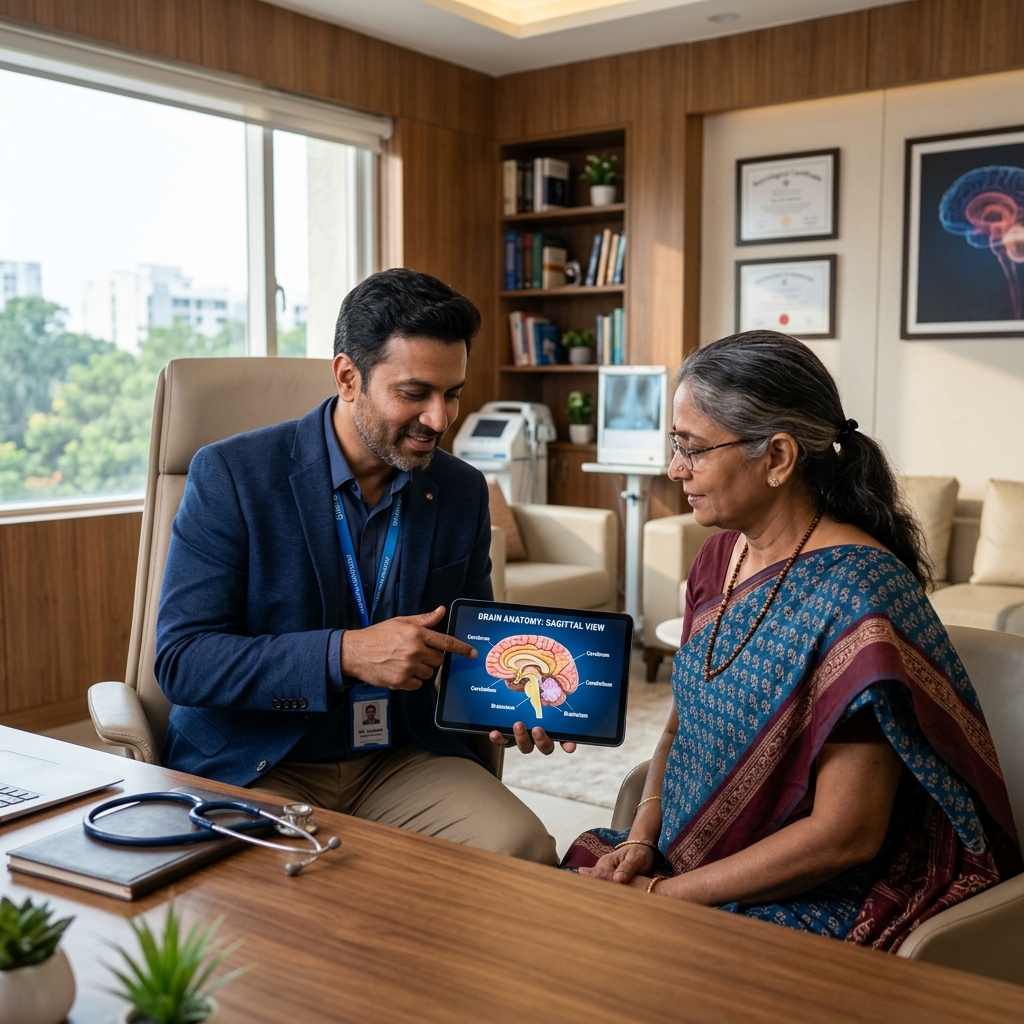
1) Specialist Consultation & Neurology Assessment
Highly personalized history taking and comprehensive neurology exams to pinpoint accurate phenotypes.
-
Structured headache history and phenotype mapping (frequency, duration, disability, triggers, aura features, autonomic symptoms).
-
Neurological examination and focused cranial nerve/neck assessment.
-
Risk review for secondary causes (red-flag screening) and rational imaging/laboratory planning.
2) Diagnostic & Clinical Evaluation Services
Diagnostic decisions are individualized and guided by clinical indications. Where required, we coordinate appropriate investigations through accredited centers.
-
Headache diary review and disability scoring (MIDAS/HIT-6 where appropriate) for objective baseline and follow-up.
-
Medication review to identify medication-overuse patterns and iatrogenic contributors.
-
Trigger and lifestyle assessment: sleep regularity, hydration, caffeine pattern, meal timing, screen exposure, posture, stress load, and hormonal factors.
-
Comorbidity screening: sleep apnea risk, anxiety/depression screening, neck dysfunction, and autonomic symptoms.
-
Imaging coordination (MRI/CT) when clinically indicated (e.g., new onset after 50, neurological deficits, sudden thunderclap onset, papilledema suspicion, atypical progressive pattern).
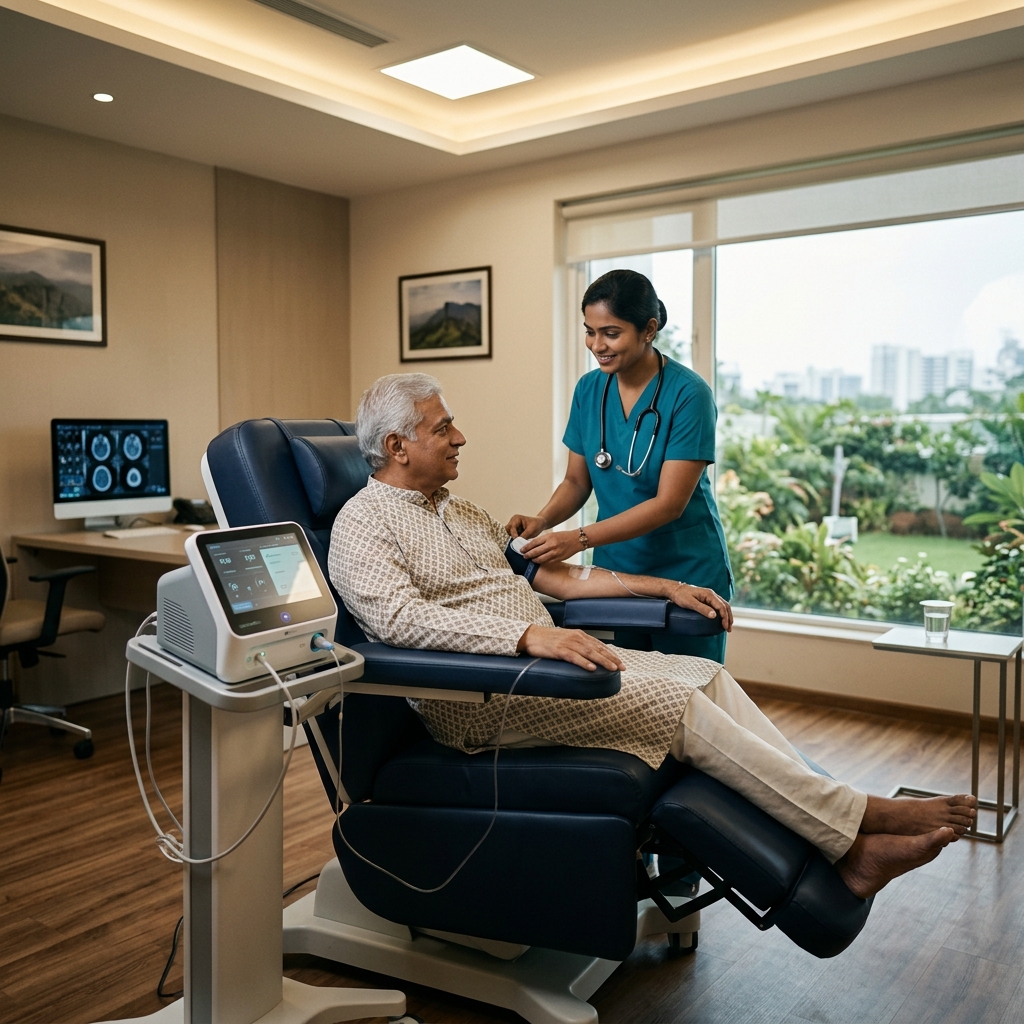
3) Acute (Rescue) Treatment Planning
Development of a safe, stepwise rescue plan for acute headache attacks and guidance on safe dosing limits.
-
Stepwise rescue plans: Development of a safe, stepwise rescue plan for acute headache attacks.
-
Patient education: Education on appropriate timing and safe use of medications.
-
Rebound prevention: Prevention of rebound/medication-overuse headache.
-
Selection of acute medications: Selection of appropriate acute medications, including migraine-specific therapies such as triptans and CGRP-based therapies where indicated.
-
Symptom co-management: Management of associated symptoms such as nausea and vertigo.
-
Control strategies: Guidance on safe dosing limits and long-term headache control strategies.
4) Preventive (Prophylactic) Care for Frequent or Chronic Headache
Preventive therapy is recommended when headaches are frequent, prolonged, disabling, or when acute medications are overused. Our protocols address both pharmacologic and non-pharmacologic prevention as part of comprehensive chronic headache treatment planning.
-
Medication titration: Selection and titration of preventive medications based on phenotype and comorbidities.
-
Adherence monitoring: Monitoring plans for efficacy, tolerability, and adherence.
-
Escalation protocols: Escalation pathways for refractory cases, including interventional options.
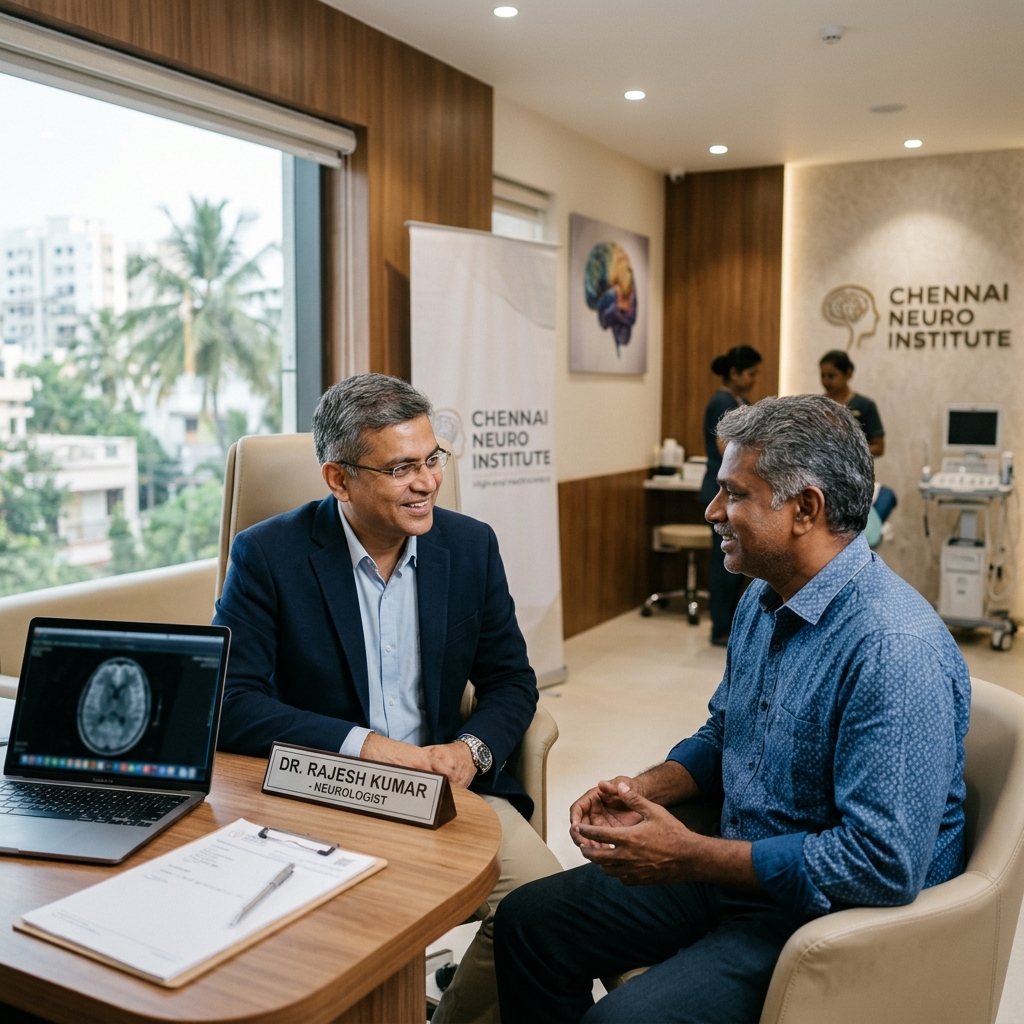
Meet Our Headache Specialists
Consult with our highly qualified, patient-focused neurologists specializing in advanced headache management.

DR. VIJAYAVARMAN V
MBBS, MD (Medicine), DM (Neurology), DNB (Neurology), PGDHHM

DR. ANIRBAN LAHA
MBBS, DNB (General Medicine), DM (Neurology)
Procedures & Advanced Therapies Offered
Procedure suitability is determined after clinical assessment and confirmation of indications. Not all procedures are necessary for every patient.
1) Botulinum Toxin Therapy (Botox) for Chronic Migraine
- Considered for patients meeting criteria for chronic migraine and significant disability.
- Administered using standardized injection paradigms where appropriate.
- Follow-up scheduling for response evaluation and repeat cycles when clinically beneficial.
Delivered in clinical settings with precise dosage protocols targeting peripheral nerve pathways.
2) CGRP-Pathway Preventive Options (Where Clinically Indicated)
- Evaluation for CGRP-pathway therapies for patients with frequent migraine and inadequate response to standard preventive regimens.
- Ongoing monitoring and documentation of response, disability reduction, and adverse effects.
Advanced precision therapeutics designed specifically to block CGRP receptors related to migraine triggers.
3) Peripheral Nerve Blocks / Trigger Point–Oriented Interventions
- Occipital nerve block and other selected nerve blocks for appropriate headache syndromes.
- Trigger point–oriented injections for myofascial contributors to head/neck pain when indicated.
- Integration with physiotherapy and posture correction for durable benefit.
Targeted local anesthetic blocks for rapid relief and breaking persistent cycles of severe head pain.
4) Medication Detox & Rebound Headache Management
- Structured plan for medication-overuse headache: education, tapering strategy, bridge therapy where required, and preventive initiation.
- Close follow-up during transition to reduce relapse risk.
Compassionate and highly structured medical support to break the circle of rebound analgesia headaches safely.
5) Non-Pharmacologic Interventions (Integrated Care)
- Biofeedback and relaxation training recommendations (through partnered providers where available) for chronic tension-type headache and migraine.
- Neuromodulation guidance (device-based options) when suitable and accessible.
- Sleep and circadian optimization planning for patients with insomnia, shift-work patterns, or irregular sleep schedules.
- Nutritional and supplement counseling (e.g., magnesium/riboflavin/coenzyme Q10 where appropriate) tailored to patient profile.
Combining digital neurotechnology, lifestyle architecture, and nutritional plans to support medical therapy.
Facilities & Patient Support
Our clinical workflow is built around the modern neurological experience, ensuring every stage of treatment is trackable, understood, and integrated with sub-specialties.
-
Dedicated Headache Consultation Workflow
Dedicated headache consultation workflow with structured documentation for longitudinal tracking.
-
Patient Education Resources
Patient education resources covering migraine physiology, trigger management, and correct medication use.
-
Care Coordination & Multi-disciplinary Referrals
Care coordination for imaging/labs and referrals (ENT, ophthalmology, dentistry/TMD, physiotherapy, psychology, pain medicine) when clinically relevant.
-
Pain Intervention Specialist Coordination
Coordination with pain intervention specialists for advanced headache procedures and interventional pain management when indicated.
-
Neurosurgery Coordination
Neurosurgery coordination for patients requiring evaluation of secondary headache disorders or neurosurgical opinion.
-
Structured Follow-up Program
Follow-up program for monitoring frequency reduction, disability outcomes, treatment response, and treatment optimization.
Your Care Pathway
A structured, 4-step workflow designed to deliver highly individualized diagnostic and therapeutic outcomes.
Initial Visit
Symptom mapping, neurological evaluation, and in-depth review of prior clinical reports and medications.
Diagnosis & Classification
Migraine vs tension-type vs cluster/TAC vs secondary headache work-up pathway determination.
Personalized Plan
Formulating customized acute + preventive strategy, identifying lifestyle/triggers, and procedure consideration if clinically indicated.
Monitoring
Headache diary tracking, disability scoring, medication boundaries, and scheduled follow-up adjustments.
When to Consult a Headache Specialist in Chennai
If recurrent headache symptoms begin impacting work, relationships, or overall sleep patterns, standard pain relief tablets may lead to severe rebound issues. Consider professional evaluation if you experience:
-
Headaches on ≥15 days/month or increasing frequency (possible chronic headache).
-
Repeated ER/urgent visits for head pain, or frequent use of painkillers/triptans.
-
Associated nausea, light/sound sensitivity, aura, vertigo, or functional impairment.
-
Neck pain with headache, posture-related worsening, or suspected cervicogenic features.
-
Concern for secondary headache features (red flags) requiring specialist evaluation.
Patients often reach us while searching for:
If you are exploring chronic headache treatments or comparing pain management clinics for complex headache disorders, our clinic provides neurology-led assessment with procedure-enabled escalation when indicated.
Head Ache Clinic
Dr. KMH Hospital
OPD Patient Guides & Downloads
Access and download evidence-based clinical guides prepared by the Dr. KMH Neurology team. These resources are designed to help you manage your symptoms daily.
Migraine Diet Guide
Evidence-based dietary advice including Mediterranean & Ketogenic diet frameworks, Omega-3 recommendations, and key headache trigger foods to avoid.
- Mediterranean diet protocols
- Omega-3 rich fish list
- Common food trigger checklist
Sleep Hygiene Protocols
Practical guidelines for establishing healthy sleep routines, optimizing your bedroom environment, and managing insomnia without medications.
- Consistent sleep scheduling
- Bedtime sleep rituals
- Screen & caffeine boundaries
Mindful Breathing Exercises
A step-by-step diaphragmatic breathing guide to induce relaxation, alleviate acute stress, and help manage tension-type and migraine headaches.
- Proper posture and relaxation
- Diaphragmatic focus technique
- Mind wandering management
Frequently Asked Questions
Get authoritative, medical-grade answers about migraine, chronic headache treatments, and specialized care pathways.
You should consult a headache specialist if you experience headaches on 15 or more days per month, have repeated ER or urgent care visits for head pain, or use painkillers or triptans frequently. Professional neurology-led evaluation is also recommended if headaches are accompanied by associated symptoms such as nausea, light or sound sensitivity, aura, vertigo, or functional impairment, if neck pain and posture-related worsening are present, or if there is any concern for secondary headache features (red flags).
For chronic migraine, we offer a comprehensive array of outpatient treatments under one clinical pathway. This includes structured trigger and lifestyle management, selection and titration of standard oral preventive (prophylactic) medications, acute (rescue) treatment planning, and advanced interventional options such as Botulinum Toxin Therapy (Botox), CGRP-pathway preventive therapies, and peripheral nerve blocks (such as occipital nerve blocks) combined with physical rehabilitation and medication detox programs when indicated.
Yes, Botulinum Toxin Therapy (Botox) is an FDA-approved and highly standardized paradigm considered for patients meeting the criteria for chronic migraine (headaches on ≥15 days/month, with at least 8 being migraines) and experiencing significant disability. The treatment is administered in our clinic using standard injection paradigms where appropriate, and is followed by structured repeat cycles and systematic response evaluations for long-term benefit.
Chronic headaches can arise from primary headache disorders (such as chronic migraine or tension-type headache), medication-overuse (rebound headaches due to excessive use of pain killers or triptans), neck-related issues (cervicogenic headaches), trigeminal autonomic cephalalgias (like cluster headaches), or secondary causes. Systematic neurology evaluation is essential to identify the underlying phenotype, trigger factors (like sleep irregularity, hormonal changes, posture, screen exposure, or stress load), and co-morbidities (such as anxiety, fibromyalgia, bruxism, or TMD).
Imaging coordination (MRI or CT) is individualized and guided by specific clinical indications and red-flag screening. It is highly recommended when there is a new onset of headache after the age of 50, when sudden thunderclap headaches occur (sudden onset of maximum severity), when neurological deficits or abnormal findings like papilledema are suspected during examination, or when there is an atypical, progressive headache pattern that doesn't align with primary disorders.
Medication-overuse headache (also known as rebound headache) occurs due to the frequent, repetitive use of acute analgesic medications or triptans to treat headache attacks. This overuse paradoxical increases the frequency and severity of head pain, leading to a chronic daily cycle. We provide a structured medication detox and rebound headache management program that involves targeted education, tapering strategies, clinical bridge therapies, and immediate initiation of long-term preventive treatment.
Take Control of Chronic Headache
Prepare for your evidence-based migraine and headache specialist care.
Pre-Consultation Checklist
Prepare the following items for your neurology-led clinical evaluation at Dr. KMH Headache Clinic:
If available, please bring:
-
Prior prescriptions & medical notes
-
Imaging reports (MRI/CT scans)
-
A 2–4-week headache diary including:
- Dates & duration of attacks
- Potential trigger factors
- Medications taken & response
Request Consultation
You can request an outpatient consultation using our secure online system. Select your preferred neurologist and date.
📅 Note: Specialist headache consultations are conducted strictly on Fridays only (Dr. Vijayavarman V: 3:00 PM - 6:00 PM | Dr. Anirban Laha: 6:00 PM - 7:00 PM).